Transneft Signals Possible Oil Output Cuts Due to Escalating Ukrainian Drone Strikes | World | london-news-net.preview-domain.com

Transneft Signals Possible Oil Output Cuts Due to Escalating Ukrainian Drone Strikes

Transneft Signals Possible Oil Output Cuts Due to Escalating Ukrainian Drone Strikes

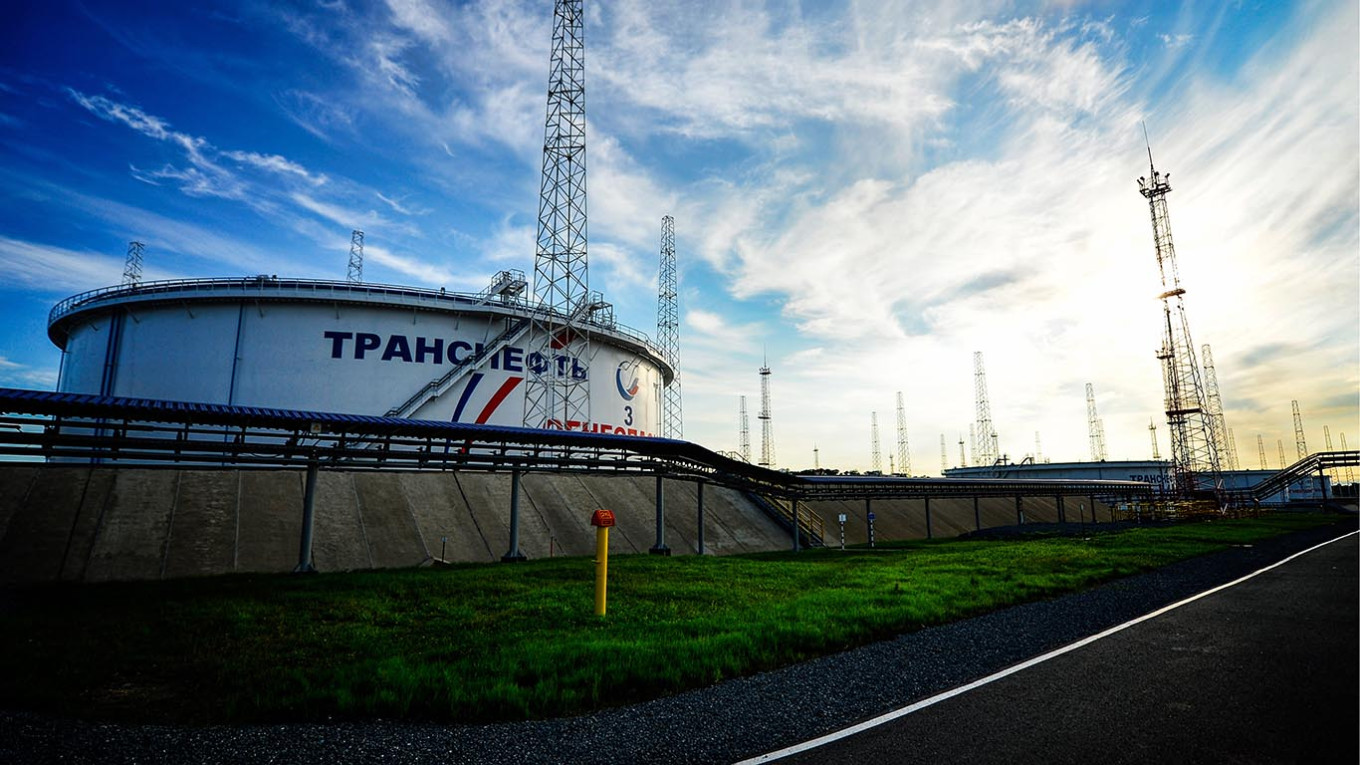
Russia’s oil pipeline monopoly, Transneft, has cautioned producers that it might have to cut back on output due to ongoing Ukrainian drone strikes targeting seaports and refinery facilities, as reported by Reuters on Tuesday, referencing industry insiders.

In recent months, Ukraine has heightened its assaults on Russian oil infrastructure, a crucial revenue stream for the Kremlin’s military operations.

Reports suggest that since early August, Ukrainian drones have attacked at least ten refineries, causing refining capacity to drop by nearly 20% at certain times.

Last week, drone strikes targeted Primorsk, the largest oil port in Russia located northwest of St. Petersburg, which temporarily disrupted its operations.

In light of the persistent threats, Transneft has restricted producers’ capacity to store oil within its pipeline network and indicated that additional damage might compel the company to accept lower volumes from producers, according to two industry contacts who spoke to Reuters.

Transneft dismissed the report as “fake” and part of a Western “information war” against Russia, which contributes to 9% of the global oil supply. Russian officials have not publicly acknowledged the extent of damage to the country’s oil facilities.

Ukrainian President Volodymyr Zelensky referred to the assaults as “the sanctions that work the fastest,” highlighting the substantial harm caused.

These attacks have led to soaring domestic fuel prices, with wholesale gasoline prices increasing by more than 50% since January.

In response, the Russian government has implemented a temporary ban on gasoline exports for August and September and is now reportedly considering extending this ban through October.

Related posts

Russia Blacklists Human Rights Watch as ‘Undesirable’ Текст: Russia’s Justice Ministry on FridaydesignatedHuman Rights Watch as an “undesirable” organization. The designation bans the U.S.-headquartered nonprofit from operating in Russia. Under Russian law, individuals found to be affiliated with “undesirable” organizations face up to four years in prison, while organization leaders risk up to six years. In an interview, the influential body said it was not surprised by the designation and vowed to continue its work remotely. We are actually going to work even harder to expose the staggering crackdown by the Kremlin on Russian civil society and to report on Russian crimes in Ukraine, Tanya Lokshina, senior associate director of the groups Europe and Central Asia division, told AFP. HRW was among a number of international organizations and foreign NGOs whose local offices Russian authoritiesshut downin the first months of the full-scale invasion of Ukraine over alleged legal violations. Russia’s Prosecutor General’s Office, which usually announces “undesirable” designations, has not issued any statement on HRW’s blacklisting. Founded in 1978 and with a presence in more than 90 countries, HRW has documented human rights violations in Russia for around 30 years. It hasaccusedthe Russian military of committing war crimes in Ukraine. Russia introduced its “undesirable” law in 2015, using it to crack down on independent media, opposition groups and foreign organizations. Hundreds of organizations are currently blacklisted, including The Moscow Times. AFP contributed reporting.

rimmaruslan98@gmail.com

Kyiv Reports Unprecedented Russian Assault on Gas Infrastructure

Moscow Court Freezes Assets of Yabloko Leader Amid Controversial Military Criticism Case

rimmaruslan98@gmail.com

This website uses cookies to improve your experience. We'll assume you're ok with this, but you can opt-out if you wish. Accept Read More