Tragic Moscow Apartment Blast Claims Three Lives | World | london-news-net.preview-domain.com

Tragic Moscow Apartment Blast Claims Three Lives

Tragic Moscow Apartment Blast Claims Three Lives

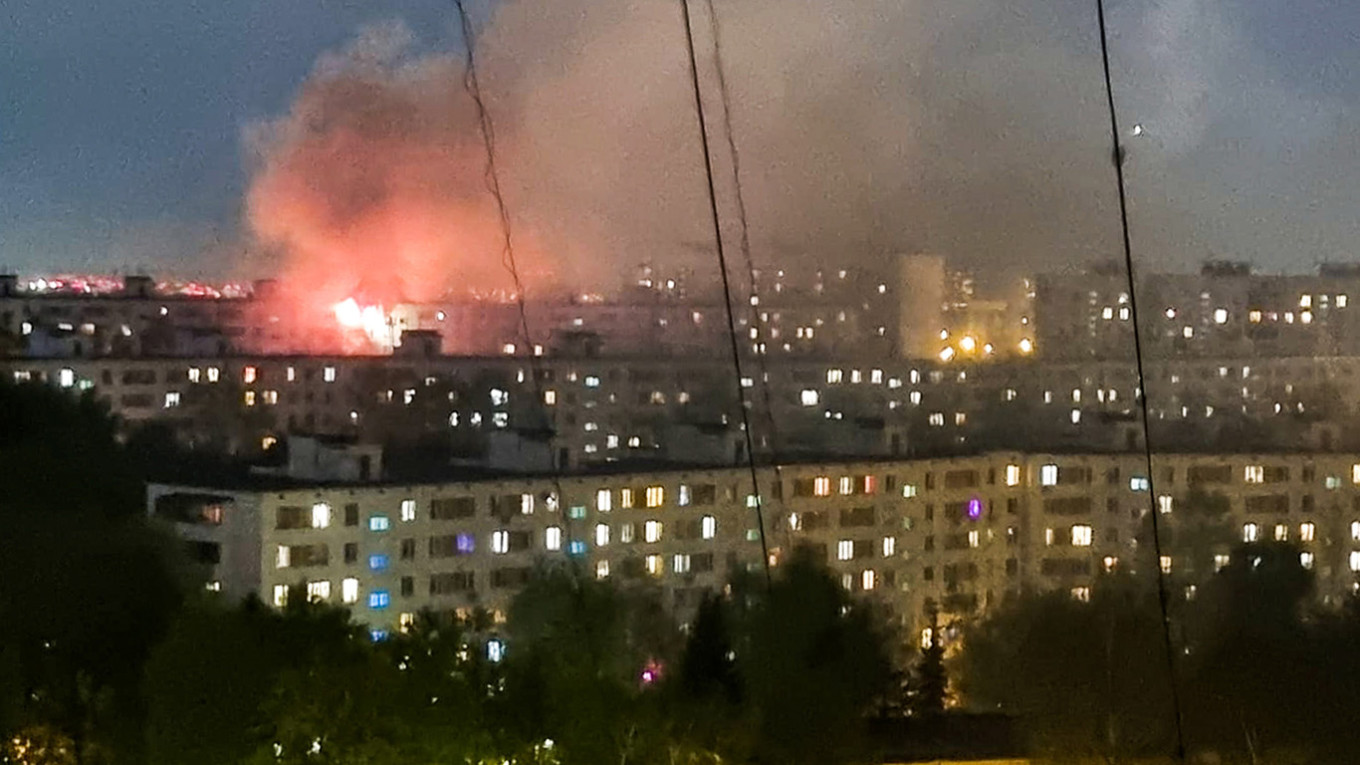
Three individuals lost their lives following an explosion that tore through an apartment complex in Moscow, igniting a fire, according to state media reports early Monday, which referenced police sources.

Russia’s Ministry of Emergency Situations stated that emergency responders arrived at the explosion site in the Yasenevo district of southwestern Moscow on Sunday evening. Firefighters worked for approximately an hour to extinguish the flames, which resulted in part of the ninth floor collapsing.

The ministry reported that at least two bodies were discovered on a balcony, while six others received medical attention for injuries sustained. Approximately 150 residents were temporarily relocated to a nearby school for safety.

An unnamed police source informed the state-controlled RIA Novosti news agency that the death toll had risen to three by Monday morning, although there was no official confirmation of the third victim.

Moscow Mayor Sergei Sobyanin indicated that the cause of the fire remains unknown.

Authorities have initiated a criminal investigation into the explosion, but it remains unclear whether any charges have been filed against individuals involved.

Related posts

Proposal for Allied Control Zones in Ukraine: A Path to Ceasefire?

Russia Proposes Industrial Levy to Protect Local Manufacturers Amidst Budget Strain

State Duma Passes 2026-28 Budget and Tax Increase Bills Текст: State Duma lawmakers on ThursdaypassedRussia’s three-year federal budget and a package of tax increases, bills aimed at shoring up government revenues as spending on the war against Ukraine remains a top priority for the Kremlin. Under the budget plan, the government expects revenue of 40.3 trillion rubles ($491.7 billion) next year and spending of 44 trillion rubles ($548.3 billion), leaving a projected deficit of 3.8 trillion rubles ($47.3 billion). Defense and national security will account for roughly 38% of all spending in 2026, or 16.8 trillion rubles ($209.5 billion), which is slightly lower than in the previous two years but still far above pre-war levels. Lawmakers sought to highlight funding for domestic programs, including more than 10 trillion rubles ($124.6 billion) for family support measures and 50 billion rubles ($623 million) for a state-backed charity foundation that assists soldiers fighting in Ukraine and their families. Although overall spending will remain broadly stable, budget allocations reveal that the Kremlin’s priorities continue to lie in foreign policy and defense. Alongside the budget plan, the State Duma approved a series of tax changes aimed at closing the fiscal gap created by soaring military expenditures and falling oil and gas revenues under Western sanctions. Russia’s value-added tax (VAT) will increase to 22% from 20%, a move expected to raise consumer prices higher. Economists, including those at the Financial Ministry, havesaidthey anticipate a modest rise in inflation as the VAT hike takes effect starting next year. More small businesses will also be swept into the tax system. The annual revenue threshold for companies required to pay VAT will drop from 60 million rubles ($732,000) to 10 million rubles ($122,000). Some lawmakers havewarnedthat the change could strain small businesses and individual entrepreneurs, many of whom earn less than 200,000 rubles ($2,500) a month after taxes and salaries. Economists estimate the full package, which also includes a new levy on betting company profits, could bring in nearly 3 trillion rubles ($35 billion) in additional revenue. State Duma Speaker Vyacheslav Volodin said Thursday that lawmakers had approved the federal budget and tax hikes “under difficult circumstances,” citing more than 30,000 sanctions imposed on Russia and what he called “unfriendly actions” by the EU targeting Russian assets. The 2026-28 budget passed with 349 votes, while 56 lawmakers — mostly from the Communist Party — abstained. Only one deputy, Anton Krasnoshantov of the ruling United Russia party, was recorded as voting against the bill, though his “no” vote was allegedly the result of a technical error. The federal budget and tax bills now head to the Federation Council, where they are expected to receive swift approval before being sent to President Vladimir Putin’s desk for his signature.

rimmaruslan98@gmail.com

This website uses cookies to improve your experience. We'll assume you're ok with this, but you can opt-out if you wish. Accept Read More