Russias Regions Curb New Year’s Festivities Amid Ongoing War in Ukraine | World | london-news-net.preview-domain.com

Russias Regions Curb New Year’s Festivities Amid Ongoing War in Ukraine

Russias Regions Curb New Year’s Festivities Amid Ongoing War in Ukraine

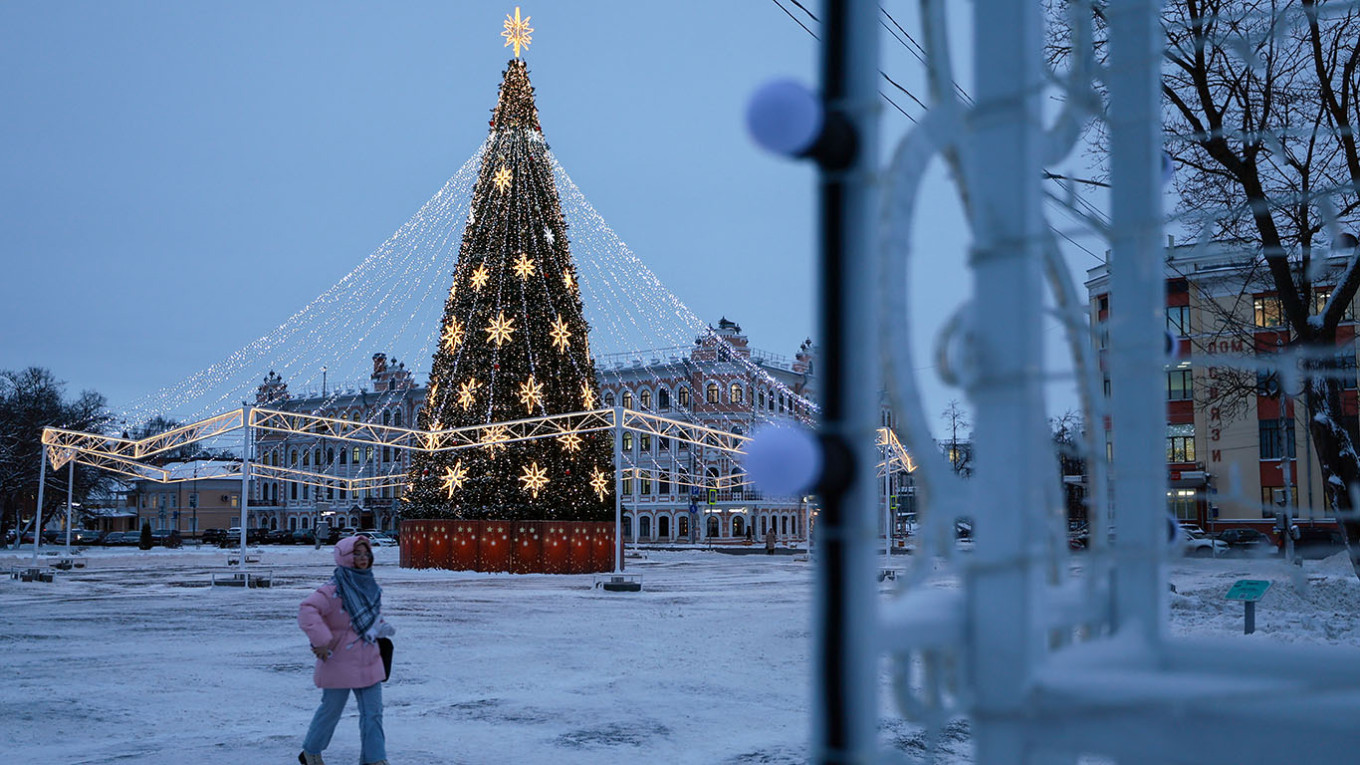
Authorities in various regions of Russia have once again canceled or reduced New Year’s festivities, citing the ongoing conflict in Ukraine, as reported by the business newspaper Vedomosti on Monday.

Most public celebrations, except for children’s events, have been called off in regions including Khakassia, Tyva, Bashkortostan, Buryatia, and Chuvashia, as well as in the Vologda, Saratov, and Leningrad regions, along with Krasnodar, Stavropol, and the annexed Crimea.

Vladislav Khovalyg, the regional leader of Tyva, stated, “Our main priority is to think of and support our sons, brothers, and fathers who are on the front lines, rather than engage in loud celebrations.”

He emphasized that hosting large New Year’s parties and fireworks would be inappropriate while Russian soldiers are involved in what the government refers to as a “special military operation” in Ukraine.

Roman Busargin, the governor of the Saratov region, urged officials to focus on gathering humanitarian aid for the front lines or spending time with soldiers and their families instead of planning holiday festivities.

In the Siberian republic of Buryatia, local authorities called for “solidarity with our compatriots defending the country’s interests” and suggested that New Year’s corporate gatherings be canceled.

Radiy Khabirov, the head of Bashkortostan, told officials that such celebrations would not be well-received during this time.

According to the state-run TASS news agency, at least 64 of Russia’s 89 federal entities, including annexed and occupied areas, will not host New Year’s fireworks in major urban centers this year.

Political analyst Konstantin Kalachyov remarked to Vedomosti that these decisions might not be well-received by all residents. “New Year’s is a cherished occasion, filled with the hope for miracles,” he noted. “Even during the toughest years of World War II, it remained a bright symbol of unity and faith in victory for Soviet citizens.”

Sociologist Denis Volkov suggested that in regions distanced from the front lines and largely unaffected by drone strikes, where officials have acted as if life continues as normal, these restrictions might cause some bewilderment. “However, everyone is aware that the ‘special operation’ continues, and many will likely view this as a necessary step,” Volkov added.

Related posts

EU States Rally Behind Fridman in Fight to Lift Sanctions Amid Controversy

rimmaruslan98@gmail.com

Rescued from Captivity: Latest Russia-Ukraine Soldier Exchange Highlights Ongoing Peace Efforts

Uzbekistan Urges Russia to Respect Its Citizens Amid Migrant Crackdown Текст: Uzbekistans Foreign Ministry on Wednesday urged Russia to treat its citizens with respect as authorities in Moscow tighten migration laws and carry out mass inspections targeting foreign workers Over the past year, Russia has introduced tighter migration rules, including new laws to locate and expel migrants more easily. The changes have sparked protests from several Central Asian countries, including Uzbekistan. Roughly 4 million migrants from the five former Soviet republics of Central Asia — Uzbekistan, Kyrgyzstan, Tajikistan, Kazakhstan and Turkmenistan — currently live in Russia, according to government data. Many work in low-wage sectors and send home remittances critical to their domestic economies. Uzbekistans Foreign Ministry said it had received reports of unauthorized inspections and cases of disrespectful and rude treatment of its citizens in Russia. It called on Moscow to treat Uzbek citizens with respect and to prevent actions that humiliate their honor and dignity, according to a statement published by state media. Tashkent also submitted a formal protest note to Russia requesting clarification about the reports. Russias Foreign Ministry said it was studying the note and described Uzbekistan as a strategic partner, the state-run news agency TASS reported. In recent months, Kyrgyzstan and Tajikistan have issued similar protests, denouncing mass detentions of their citizens in Russia. The crackdown follows the deadly 2024 terrorist attack at Crocus City Hall, which Russian officials blame on gunmen from Central Asia. Since then, Moscow has stepped up its efforts to police and repatriate foreign nationals. The war in Ukraine has further complicated matters for Central Asian migrants, with Russian authorities accused of pressuring some to enlist in the military. Russias Investigative Committee said last year that 10,000 foreign nationals with Russian citizenship had been sent to the front lines. Ukraines military estimates that around 3,000 Central Asians are fighting for Russia. Local media report that several dozen have been killed or imprisoned upon returning home. Despite a decline in migration, remittances remain vital to Central Asian economies. According to the World Bank, they account for 45% of GDP in Tajikistan, 24% in Kyrgyzstan and 14% in Uzbekistan.


This website uses cookies to improve your experience. We'll assume you're ok with this, but you can opt-out if you wish. Accept Read More