Russias New Law: A Shield Against International Justice and Foreign Court Rulings | World | london-news-net.preview-domain.com

Russias New Law: A Shield Against International Justice and Foreign Court Rulings

Russias New Law: A Shield Against International Justice and Foreign Court Rulings

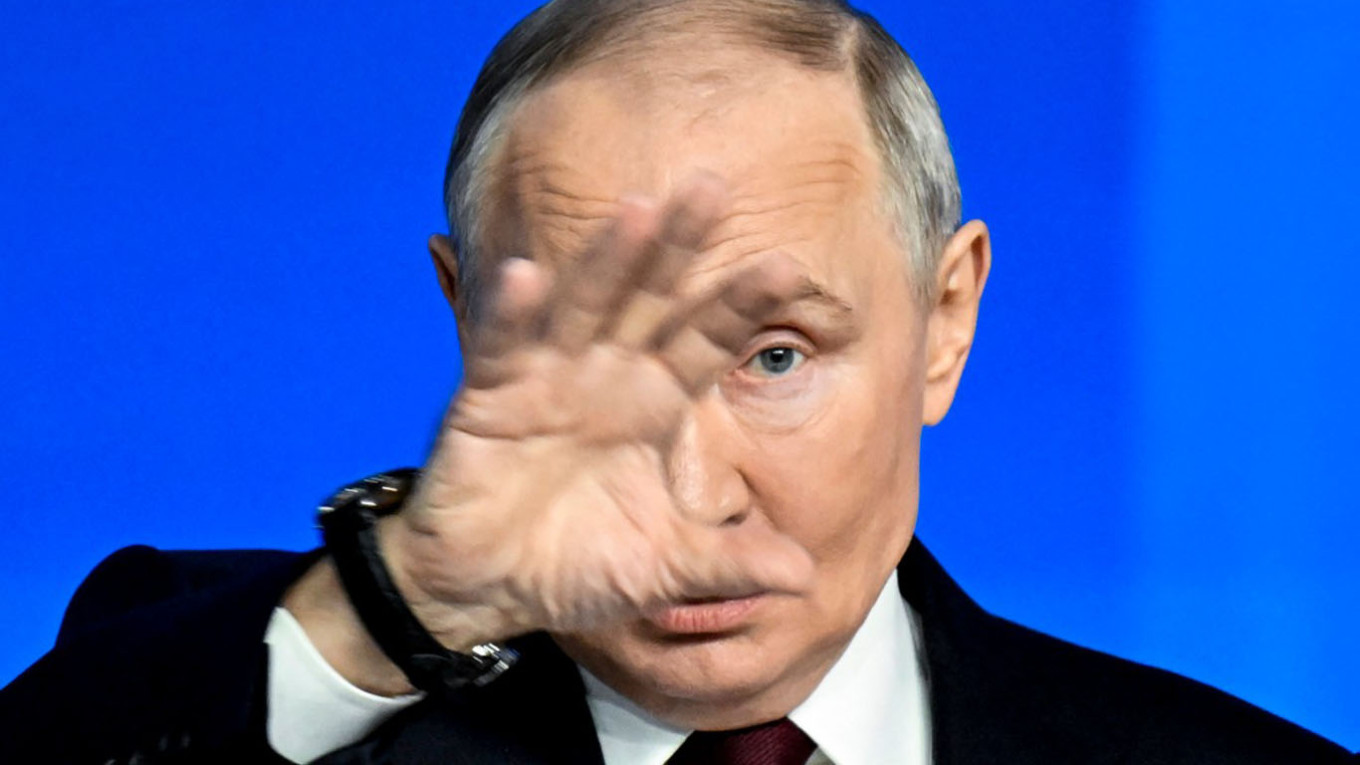
On Monday, President Vladimir Putin enacted new legislation that frees Russia from any responsibility to implement criminal judgments from foreign courts or international judicial entities to which it does not belong.

This legal change, which modifies Russia’s constitution, clearly indicates that Moscow does not intend to follow any future rulings from any tribunal regarding the conflict in Ukraine, particularly those seeking to prosecute Russian officials, including Putin himself.

In March 2023, the International Criminal Court (ICC) issued a warrant for Putin’s arrest, alleging that he and his children’s rights commissioner were responsible for the supposed forced deportation of Ukrainian children to Russia.

Russia has dismissed these allegations and noted that it never ratified the Rome Statute that established the ICC, subsequently retracting its signature from the treaty.

With the new amendment put into effect on Monday, Russian courts are no longer obligated to recognize criminal decisions made by foreign jurisdictions unless Russia was involved in those cases. Similarly, they are not required to accept rulings from international judicial authorities whose jurisdiction is not grounded in treaties that Russia has ratified or resolutions from the United Nations Security Council.

Officials from Ukraine and Europe have expressed their intention to hold Russian and Belarusian officials accountable for alleged war crimes committed during the Ukrainian invasion.

In June, Ukrainian President Volodymyr Zelenskyy and Council of Europe Secretary General Alain Berset signed a pact to create a special tribunal for this purpose.

Related posts

Uzbekistan Urges Russia to Respect Its Citizens Amid Migrant Crackdown Текст: Uzbekistans Foreign Ministry on Wednesday urged Russia to treat its citizens with respect as authorities in Moscow tighten migration laws and carry out mass inspections targeting foreign workers Over the past year, Russia has introduced tighter migration rules, including new laws to locate and expel migrants more easily. The changes have sparked protests from several Central Asian countries, including Uzbekistan. Roughly 4 million migrants from the five former Soviet republics of Central Asia — Uzbekistan, Kyrgyzstan, Tajikistan, Kazakhstan and Turkmenistan — currently live in Russia, according to government data. Many work in low-wage sectors and send home remittances critical to their domestic economies. Uzbekistans Foreign Ministry said it had received reports of unauthorized inspections and cases of disrespectful and rude treatment of its citizens in Russia. It called on Moscow to treat Uzbek citizens with respect and to prevent actions that humiliate their honor and dignity, according to a statement published by state media. Tashkent also submitted a formal protest note to Russia requesting clarification about the reports. Russias Foreign Ministry said it was studying the note and described Uzbekistan as a strategic partner, the state-run news agency TASS reported. In recent months, Kyrgyzstan and Tajikistan have issued similar protests, denouncing mass detentions of their citizens in Russia. The crackdown follows the deadly 2024 terrorist attack at Crocus City Hall, which Russian officials blame on gunmen from Central Asia. Since then, Moscow has stepped up its efforts to police and repatriate foreign nationals. The war in Ukraine has further complicated matters for Central Asian migrants, with Russian authorities accused of pressuring some to enlist in the military. Russias Investigative Committee said last year that 10,000 foreign nationals with Russian citizenship had been sent to the front lines. Ukraines military estimates that around 3,000 Central Asians are fighting for Russia. Local media report that several dozen have been killed or imprisoned upon returning home. Despite a decline in migration, remittances remain vital to Central Asian economies. According to the World Bank, they account for 45% of GDP in Tajikistan, 24% in Kyrgyzstan and 14% in Uzbekistan.

Navalny Allies Uncover Claims of Putins Secret Luxury Estate on Crimeas Black Sea

rimmaruslan98@gmail.com

Successful Soyuz Mission Returns American and Russian Astronauts After 220 Days in Space


This website uses cookies to improve your experience. We'll assume you're ok with this, but you can opt-out if you wish. Accept Read More