Russian Airline Incidents Surge Fourfold Amid Sanctions in 2025 | World | london-news-net.preview-domain.com

Russian Airline Incidents Surge Fourfold Amid Sanctions in 2025

Russian Airline Incidents Surge Fourfold Amid Sanctions in 2025

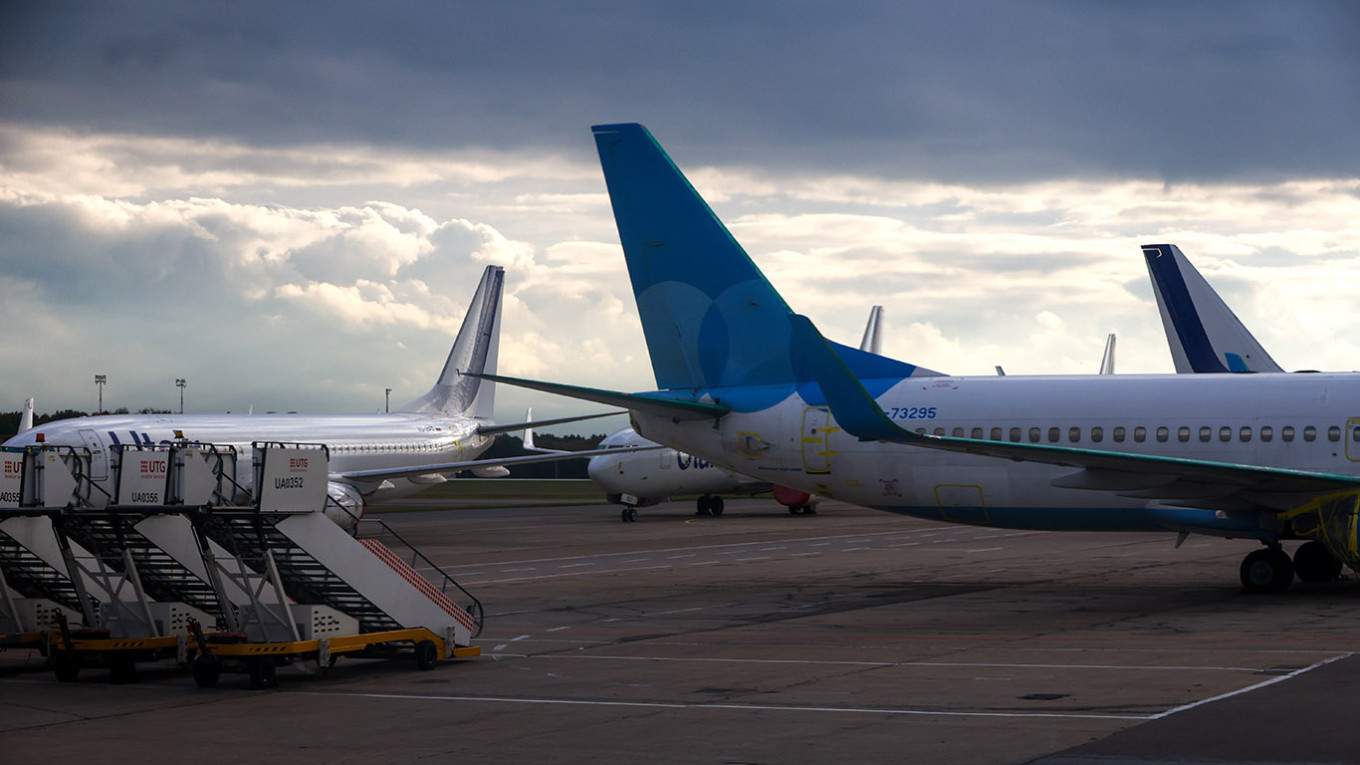
An investigation by the exiled news outlet Novaya Gazeta Europe has revealed a significant increase in aviation incidents in Russia during the fourth year of Western sanctions, which have restricted access to spare parts for foreign-made aircraft.

From January to late November 2025, Russian airlines reported over 800 equipment failures that resulted in flight cancellations or emergency landings. This figure, calculated from data provided by the Aviaincident monitoring channel, marks approximately a fourfold increase compared to the same timeframe in 2024, where slightly more than 200 incidents were recorded.

The Western sanctions enacted after Russia’s full-scale invasion of Ukraine in February 2022 prohibited Russian airlines from using EU and U.S. airspace and hindered their ability to procure spare parts for Boeing and Airbus aircraft.

In October, Russia’s aviation chief, Dmitry Yadrov, warned that the country could face the loss of 339 aircraft within the next five years under a worst-case scenario, which includes 109 foreign-made planes. He also noted that around 200 helicopters, primarily produced domestically, were likely to be retired from service.

As reported by the civil aviation authority Rosaviatsia, Russian commercial airlines currently operate a fleet of 1,135 aircraft, with 1,088 classified as airworthy.

The industry has also experienced two accidents and two fatal crashes this year, resulting in the deaths of 53 people, according to information from the federal transport watchdog released in October.

The most catastrophic event occurred in late July when an Angara Airlines An-24, en route from Khabarovsk in the Far East to Tynda, crashed just 15 kilometers short of its destination, claiming the lives of all 48 passengers and crew on board. Investigators suspect that crew error was the primary factor in the tragedy. The aircraft, manufactured in 1976, was nearly 50 years old and approaching the end of its operational life.

In response to what it has described as a “negative trend” in aviation safety violations, the government has instructed the transportation regulatory body, Rostransnadzor, to begin inspections of 51 regional airlines starting December 1.

Related posts

Tragic Moscow Apartment Blast Claims Three Lives

Black Sea Tanker That Sustained Blast Hit Again Текст: Turkeys Transport Ministry said one of two empty oil tankers hit by blasts in the Black Sea late Friday had been struck again early on Saturday, blaming an unmanned sea vehicle. The Virat, which was previously said to have been attacked by unmanned maritime vehicles approximately 35 nautical miles off the Black Sea coastline, was attacked again by unmanned maritime vehicles early this morning, the ministry said on X. It said the tanker sustained only minor damage on the starboard side and that none of the 20-strong crew were hurt. On Friday evening, Turkeys Transport Ministry said two empty oil tankers, the Virat and the Kairos, had reported explosions but sustained no casualties, saying they had been struck in Turkish waters but without saying what had caused the blasts. The ministrys post was the first official confirmation that the Virat was attacked by drones. Turkey said the Kairos was en route to the Black Sea port of Novorossiysk, where a major Russian oil terminal halted operations early on Saturday after being hit by a naval drone attack, the consortium that owns the terminal said. The terminal, part of which sustained significant damage, is a major conduit for Kazakh oil, the Caspian Pipeline Consortium (CPC) said, without saying who was responsible for the attack. A Ukrainian source later claimed responsibility for the attacks on two oil tankers. Modernized Sea Baby naval drones successfully targeted the vessels, a source in Ukraines SBU security service told AFP. The blast struck the Kairos around 15:00 GMT on Friday, with rescuers evacuating its 25 crew members after a fire broke out. At the time, it was about 100 kilometers east of the point where the Bosphorus Strait enters the Black Sea, Turkish officials said. The Virat was struck later. At the time, it was about 400 kilometers further east, according to the VesselFinder tracking site. Transport Minister Abdulkadir Uraloglu said both had suffered explosions, telling private NTV television late Friday the tankers might have been hit by a mine or struck by a rocket or a drone. An external impact means the vessel was hit by a mine, a rocket, or a similar projectile, or perhaps by a drone, or by an unmanned underwater vehicle. These are the first things that come to mind, he said. In a post on X, the Turkish Maritime Affairs Directorate said the Kairos was en route to Russias Novorossiysk when it reported an external impact causing a fire 28 nautical miles off the Turkish coast. It posted dramatic images of flames and thick black smoke pouring out of the vessel, with the blaze still raging some five hours later. BİLGİLENDİRME‼️Rusyaya seyir halindeyken Karadeniz açıklarında patlama ve yangın meydana gelen KAIROS isimli gemide devam eden yangına, NENE HATUN Acil Müdahale Gemimiz ve KURTARMA-12 Römorkörümüz ile@kiyiemniyet’e bağlı ekiplerimiz müdahale etmeye devam etmektedir.…pic.twitter.com/gx7iG5Rc5F The directorate later said the Virat had reported being hit approximately 35 nautical miles offshore, adding that all 20 crew were unharmed but there was heavy smoke detected in the engine room, although those on board had not requested evacuation. Both tankers — which are flying a Gambian flag, according to the VesselFinder website — are subject to Western sanctions for transporting oil from Russian ports in defiance of an embargo imposed after Russias 2022 invasion of Ukraine. Since Russia invaded Ukraine, both sides have planted sea mines to protect their coastlines. Many have since been located and destroyed in the Black Sea, but others have drifted, notably due to storms, endangering shipping. In response, NATO members Turkey, Bulgaria, and Romania — all of whom border the Black Sea — set up the Mine Countermeasures Naval Group (MCM Black Sea) in 2024 to oversee de-mining operations.

rimmaruslan98@gmail.com

Iran and Russia Forge $25 Billion Nuclear Collaboration Amid Rising Sanctions Threats

rimmaruslan98@gmail.com

This website uses cookies to improve your experience. We'll assume you're ok with this, but you can opt-out if you wish. Accept Read More