Russian Diplomats Legacy: The Death of Ambassador Matsegora at 70 | World | london-news-net.preview-domain.com

Russian Diplomats Legacy: The Death of Ambassador Matsegora at 70

Russian Diplomats Legacy: The Death of Ambassador Matsegora at 70

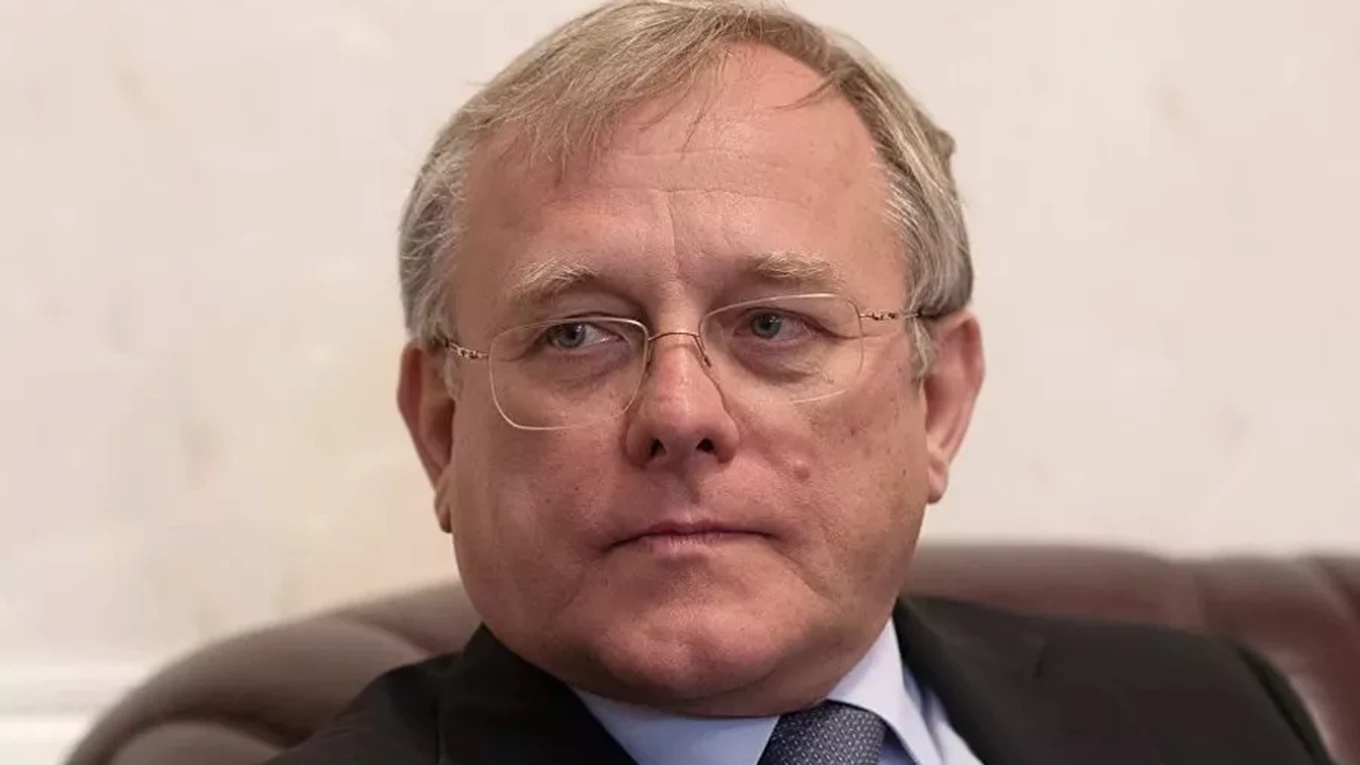
The Russian ambassador to North Korea has died at the age of 70, as announced by the Foreign Ministry on Monday, although the cause of his death has not been revealed.

Ambassador Alexander Matsegora was last seen publicly just a week ago, interacting with Russian university students studying Korean in Moscow. Photos shared by the Foreign Ministry depicted him delivering a lecture and engaging with faculty members.

In its announcement regarding Matsegora’s passing, the Foreign Ministry commended him for his “significant contributions to the establishment and strengthening of the comprehensive strategic partnership between Russia and North Korea.”

Last year, President Vladimir Putin and North Korean leader Kim Jong Un formalized an agreement promising mutual support in the event of “aggression,” reflecting the growing ties between the two nations as they faced challenges from the West.

After the partnership agreement was signed, North Korea deployed thousands of its troops to Russia’s Kursk region to assist in countering a Ukrainian offensive.

Matsegora was appointed as ambassador to North Korea in 2014. Prior to this, he was Deputy Director of the Foreign Ministry’s First Asian Department, a position he held following a five-year tenure as counselor- envoy at the Russian Embassy in Pyongyang.

In February 2024, Putin bestowed upon the late diplomat the esteemed Order of Alexander Nevsky.
Related posts

New Legislation Enhances Putins Authority to Block Foreign Firms from Reacquiring Assets

Moscows Crackdown: Over 500 Migrants Detained in Sweeps at Hostels and Mosques

International Judo Body Allows Russian Athletes to Compete Under Flag Again Текст: Russian judokas are once again allowed to compete under their national flag, the International Judo Federation (IJF) said Thursday, ending the neutral status imposed after Russia’s full-scale invasion of Ukraine. “The IJF Executive Committee has therefore voted to permit Russian athletes to compete under their national flag once again, with anthem and insignia in place, beginning with the 2025 Abu Dhabi Grand Slam,” the federation said. Russia’s judo community welcomed the move, a significant gesture in a sport closely associated with President Vladimir Putin, who holds a black belt. “Judo is one of Russia’s favorite sports. Around half a million citizens regularly take part in it,” Russian Sports Minister Mikhail Degtyarev wrote on Telegram. “It’s important to our country. Judo is a presidential sport.” Russian Judo Federation president Sergei Soloveychik called the decision “historic,” saying he was pleased Russia had been reinstated. The IJF said the change followed its recent move to restore full national representation for Belarus, a close ally of Moscow. “Following recent developments, including the reinstatement of full national representation for Belarusian athletes, the IJF considers it is now appropriate to allow the participation of Russian athletes under equal conditions,” the federation said. “Historically, Russia has been a leading nation in world judo, and their full return is expected to enrich competition at all levels,” IJF added. Russian athletes have largely been barred from international sports events since the 2022 invasion, with organizations including the International Olympic Committee (IOC) prohibiting them from competing under their national flag. Judo is not the first sport to ease restrictions. The International Boxing Association has also allowed Russian boxers to compete under their flag and anthem. The IJF said individual judokas should not be punished for the actions of their government. The IOC, however, has imposed strict conditions for any Russian athletes cleared to appear at the Paris Olympics, including excluding those who voiced support for the war. “Sport is the last bridge that unites people and nations in very difficult conflict situations,” the IJF said. “Athletes have no responsibility for the decisions of governments or other national institutions, and it is our duty to protect the sport and our athletes.” This year’s Abu Dhabi Grand Slam takes place this weekend.

rimmaruslan98@gmail.com

This website uses cookies to improve your experience. We'll assume you're ok with this, but you can opt-out if you wish. Accept Read More