Zabaikalsky Region Seeks Urgent Federal Assistance to Tackle Fuel Supply Crisis | World | london-news-net.preview-domain.com

Zabaikalsky Region Seeks Urgent Federal Assistance to Tackle Fuel Supply Crisis

Zabaikalsky Region Seeks Urgent Federal Assistance to Tackle Fuel Supply Crisis

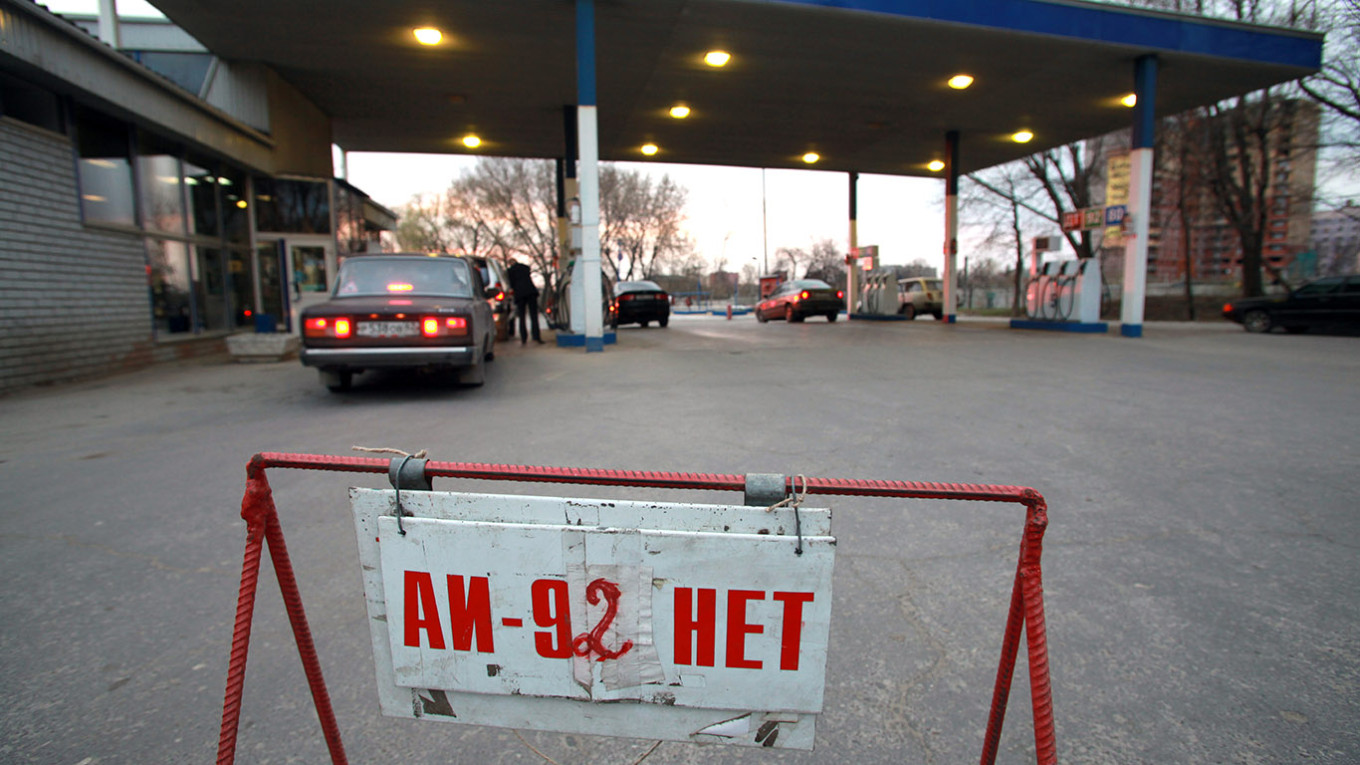
Authorities in the Zabaikalsky region of Russia’s Far East have reached out to Prime Minister Mikhail Mishustin for urgent support to address a fuel shortage that has resulted in gas stations lacking regular supplies, as reported by the Kommersant business newspaper on Friday.

Governor Alexander Osipov has allegedly requested the government’s assistance in accelerating deliveries from refineries located in the adjacent Krasnoyarsk and Irkutsk regions, following weeks of delays attributed to transport issues rather than production deficits.

Fuel shortages were initially reported last month when at least two independent fuel chains implemented gasoline rationing and subsequently ran out of fuel at several stations in the regional capital, Chita, and the nearby industrial city, Krasnokamensk.

In recent months, similar fuel disruptions and price increases have been observed across various regions in Russia.

Between January and late October, retail prices for AI-92 gasoline surged by 42%, while AI-95 saw a 49% rise, before experiencing a decrease of approximately 10% in early November due to a temporary export ban and other governmental measures.

In response to these issues, Russia’s Energy Ministry has developed new strategies aimed at stabilizing the domestic fuel market, including the establishment of a specific trading platform for consumers and a requirement for oil companies to allocate at least 40% of their crude production for domestic refining.

Related posts

Russia Blacklists Human Rights Watch as ‘Undesirable’ Текст: Russia’s Justice Ministry on FridaydesignatedHuman Rights Watch as an “undesirable” organization. The designation bans the U.S.-headquartered nonprofit from operating in Russia. Under Russian law, individuals found to be affiliated with “undesirable” organizations face up to four years in prison, while organization leaders risk up to six years. In an interview, the influential body said it was not surprised by the designation and vowed to continue its work remotely. We are actually going to work even harder to expose the staggering crackdown by the Kremlin on Russian civil society and to report on Russian crimes in Ukraine, Tanya Lokshina, senior associate director of the groups Europe and Central Asia division, told AFP. HRW was among a number of international organizations and foreign NGOs whose local offices Russian authoritiesshut downin the first months of the full-scale invasion of Ukraine over alleged legal violations. Russia’s Prosecutor General’s Office, which usually announces “undesirable” designations, has not issued any statement on HRW’s blacklisting. Founded in 1978 and with a presence in more than 90 countries, HRW has documented human rights violations in Russia for around 30 years. It hasaccusedthe Russian military of committing war crimes in Ukraine. Russia introduced its “undesirable” law in 2015, using it to crack down on independent media, opposition groups and foreign organizations. Hundreds of organizations are currently blacklisted, including The Moscow Times. AFP contributed reporting.

rimmaruslan98@gmail.com

Ship Wreck in Siberias Yenisei River Results in Diesel Spill Threatening Local Ecosystem

Seeking Justice: The Heartbreaking Quest of a Fallen Soldiers Family in Russias Sakha Region


This website uses cookies to improve your experience. We'll assume you're ok with this, but you can opt-out if you wish. Accept Read More