Ukrainian Drone Attacks Disrupt Refinery Operations, Driving Russian Gasoline Prices to Historic Peaks | World | london-news-net.preview-domain.com

Ukrainian Drone Attacks Disrupt Refinery Operations, Driving Russian Gasoline Prices to Historic Peaks

Ukrainian Drone Attacks Disrupt Refinery Operations, Driving Russian Gasoline Prices to Historic Peaks

Wholesale gasoline prices in Russia have surged to unprecedented levels following a series of Ukrainian drone attacks that incapacitated several key oil refineries, raising alarm over possible fuel shortages nationwide.

On Monday, the benchmark price for AI-92 gasoline on the St. Petersburg International Mercantile Exchange reached 71,500 rubles (approximately $890), while AI-95 rose to 80,430 rubles (around $1,000) per ton. These increases mark daily rises of 1.3% and 2.2%, respectively.

Since the beginning of the year, the price of AI-92 has soared by 38%, whereas AI-95 has increased by nearly 49%.

This price surge follows attacks that disrupted operations at three significant refineries this month: Rosneft’s Novokuybyshevsk facility on August 2, its Saratov refinery on August 11, and Lukoil’s Volgograd plant — the largest in southern Russia and among the top ten producers nationwide — on August 14.

These shut-down refineries represent nearly 30 million tons of annual refining capacity, making up about 11% of Russia’s total production for 2023, as reported by Reuters.

Additionally, Rosneft’s largest refinery located in Ryazan has had to halt half of its operations since August 2, and further strikes have targeted the Syzran, Slavyansk, and Afipsky refineries.

In response to the crisis, the Kremlin has imposed a temporary ban on gasoline exports until the end of August, which has since been extended through September.

Experts suggest that this measure might not significantly alleviate the situation, given that Russia exports relatively little gasoline. The more pressing concern, sources told Reuters, is the risk of a widespread domestic fuel shortage.

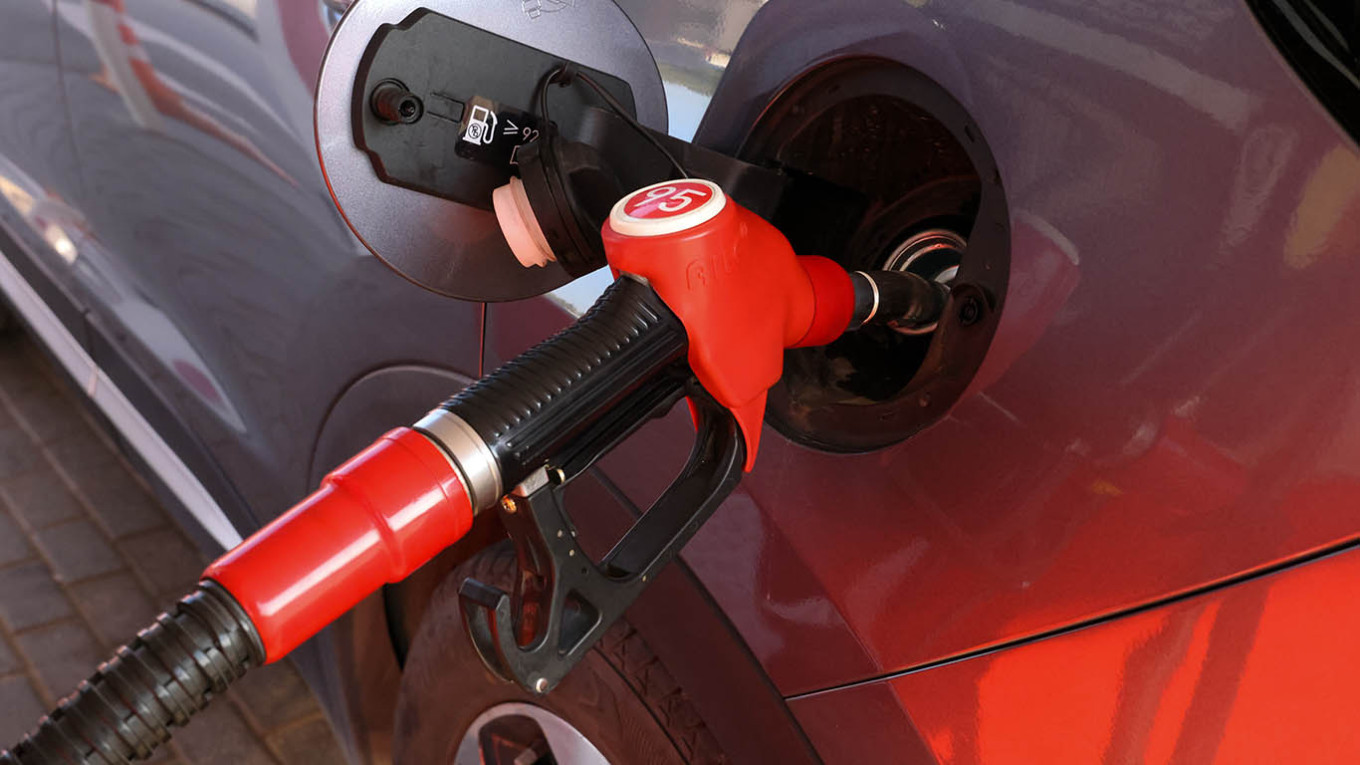
Evidence of difficulties is already visible at gas stations. In annexed Crimea, AI-95 has largely vanished from most stations, with remaining supplies being distributed primarily via ration cards. The fuel has completely disappeared in the towns of Krasnokamensk and Borzya in the Zabaikalsky region.

Additionally, gas stations in at least two other regions have begun to limit sales to businesses and organizations.

The Energy Ministry has attempted to reassure citizens, stating on August 13 that fuel supplies remain stable and logistics are unaffected. They noted that any shortfall is being compensated by increased production at other refineries.

Related posts

Sheremetyevo Airport Secures Domodedovo After Price Slash to $880 Million Following Failed Auction

rimmaruslan98@gmail.com

State Duma Passes 2026-28 Budget and Tax Increase Bills Текст: State Duma lawmakers on ThursdaypassedRussia’s three-year federal budget and a package of tax increases, bills aimed at shoring up government revenues as spending on the war against Ukraine remains a top priority for the Kremlin. Under the budget plan, the government expects revenue of 40.3 trillion rubles ($491.7 billion) next year and spending of 44 trillion rubles ($548.3 billion), leaving a projected deficit of 3.8 trillion rubles ($47.3 billion). Defense and national security will account for roughly 38% of all spending in 2026, or 16.8 trillion rubles ($209.5 billion), which is slightly lower than in the previous two years but still far above pre-war levels. Lawmakers sought to highlight funding for domestic programs, including more than 10 trillion rubles ($124.6 billion) for family support measures and 50 billion rubles ($623 million) for a state-backed charity foundation that assists soldiers fighting in Ukraine and their families. Although overall spending will remain broadly stable, budget allocations reveal that the Kremlin’s priorities continue to lie in foreign policy and defense. Alongside the budget plan, the State Duma approved a series of tax changes aimed at closing the fiscal gap created by soaring military expenditures and falling oil and gas revenues under Western sanctions. Russia’s value-added tax (VAT) will increase to 22% from 20%, a move expected to raise consumer prices higher. Economists, including those at the Financial Ministry, havesaidthey anticipate a modest rise in inflation as the VAT hike takes effect starting next year. More small businesses will also be swept into the tax system. The annual revenue threshold for companies required to pay VAT will drop from 60 million rubles ($732,000) to 10 million rubles ($122,000). Some lawmakers havewarnedthat the change could strain small businesses and individual entrepreneurs, many of whom earn less than 200,000 rubles ($2,500) a month after taxes and salaries. Economists estimate the full package, which also includes a new levy on betting company profits, could bring in nearly 3 trillion rubles ($35 billion) in additional revenue. State Duma Speaker Vyacheslav Volodin said Thursday that lawmakers had approved the federal budget and tax hikes “under difficult circumstances,” citing more than 30,000 sanctions imposed on Russia and what he called “unfriendly actions” by the EU targeting Russian assets. The 2026-28 budget passed with 349 votes, while 56 lawmakers — mostly from the Communist Party — abstained. Only one deputy, Anton Krasnoshantov of the ruling United Russia party, was recorded as voting against the bill, though his “no” vote was allegedly the result of a technical error. The federal budget and tax bills now head to the Federation Council, where they are expected to receive swift approval before being sent to President Vladimir Putin’s desk for his signature.

rimmaruslan98@gmail.com

Kremlin Appoints Medinsky to Lead Russian Delegation as Putin Skips Istanbul Negotiations


This website uses cookies to improve your experience. We'll assume you're ok with this, but you can opt-out if you wish. Accept Read More