Scandinavian Airports Under Threat: Sweden Links Unidentified Drones to Russian Aggression | World | london-news-net.preview-domain.com

Scandinavian Airports Under Threat: Sweden Links Unidentified Drones to Russian Aggression

Scandinavian Airports Under Threat: Sweden Links Unidentified Drones to Russian Aggression

Swedish Prime Minister Ulf Kristersson stated on Monday that it is probable that Russia is behind the unusual drone activity observed over multiple Scandinavian airports prior to an EU summit in Copenhagen.

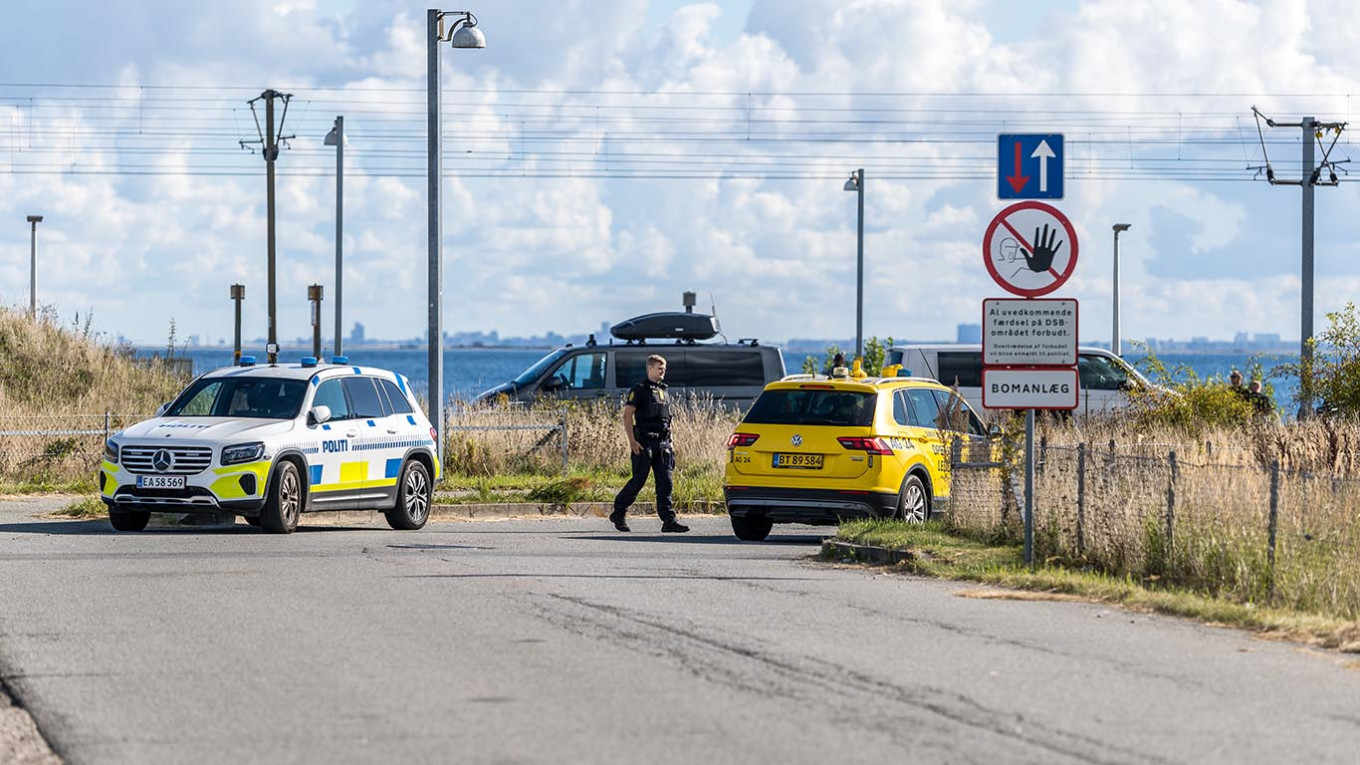
Since September 22, there have been numerous reports of drone sightings primarily in Norway and Denmark, leading to the closure of several airports in the region.

In an interview with TV4, Kristersson expressed that “the chance of this indicating an attempt by Russia to convey a message to nations backing Ukraine is quite substantial,” while emphasizing that “nobody truly knows for certain.”

He noted that “we have evidence” linking the drones that entered Polish airspace earlier in September to Russia.

“Everything suggests it’s [Russia], but all nations are cautious about pinpointing a specific country unless they are confident. In the case of Poland, we are certain of the culprit,” he remarked.

Additional drone activity was reported over Danish military installations on Saturday night for the second consecutive day.

Copenhagen is set to host an EU summit on Wednesday and Thursday.

To enhance safety around the event, Denmark announced on Sunday that it would be closing its airspace to all civilian drone operations until Friday, to prevent military drones from being mistaken for legitimate ones.

Violating this airspace restriction could lead to fines or imprisonment for up to two years.

Danish Prime Minister Mette Frederiksen stated this week that “there is one primary nation that endangers Europe’s security, and that is Russia.”

In response, Moscow has “strongly rejected” any claims of its involvement.

The series of drone sightings follows recent incursions in Polish and Romanian airspace and a violation of Estonian airspace by Russian fighter jets, which have escalated tensions in the context of Russia’s continuing invasion of Ukraine.

NATO has indicated that it has increased its vigilance in the Baltic region in light of these intrusions.

Related posts

Snowstorm Paralyzes Moscow: Flights Disrupted and Warning Issued

rimmaruslan98@gmail.com

Black Sea Tanker That Sustained Blast Hit Again Текст: Turkeys Transport Ministry said one of two empty oil tankers hit by blasts in the Black Sea late Friday had been struck again early on Saturday, blaming an unmanned sea vehicle. The Virat, which was previously said to have been attacked by unmanned maritime vehicles approximately 35 nautical miles off the Black Sea coastline, was attacked again by unmanned maritime vehicles early this morning, the ministry said on X. It said the tanker sustained only minor damage on the starboard side and that none of the 20-strong crew were hurt. On Friday evening, Turkeys Transport Ministry said two empty oil tankers, the Virat and the Kairos, had reported explosions but sustained no casualties, saying they had been struck in Turkish waters but without saying what had caused the blasts. The ministrys post was the first official confirmation that the Virat was attacked by drones. Turkey said the Kairos was en route to the Black Sea port of Novorossiysk, where a major Russian oil terminal halted operations early on Saturday after being hit by a naval drone attack, the consortium that owns the terminal said. The terminal, part of which sustained significant damage, is a major conduit for Kazakh oil, the Caspian Pipeline Consortium (CPC) said, without saying who was responsible for the attack. A Ukrainian source later claimed responsibility for the attacks on two oil tankers. Modernized Sea Baby naval drones successfully targeted the vessels, a source in Ukraines SBU security service told AFP. The blast struck the Kairos around 15:00 GMT on Friday, with rescuers evacuating its 25 crew members after a fire broke out. At the time, it was about 100 kilometers east of the point where the Bosphorus Strait enters the Black Sea, Turkish officials said. The Virat was struck later. At the time, it was about 400 kilometers further east, according to the VesselFinder tracking site. Transport Minister Abdulkadir Uraloglu said both had suffered explosions, telling private NTV television late Friday the tankers might have been hit by a mine or struck by a rocket or a drone. An external impact means the vessel was hit by a mine, a rocket, or a similar projectile, or perhaps by a drone, or by an unmanned underwater vehicle. These are the first things that come to mind, he said. In a post on X, the Turkish Maritime Affairs Directorate said the Kairos was en route to Russias Novorossiysk when it reported an external impact causing a fire 28 nautical miles off the Turkish coast. It posted dramatic images of flames and thick black smoke pouring out of the vessel, with the blaze still raging some five hours later. BİLGİLENDİRME‼️Rusyaya seyir halindeyken Karadeniz açıklarında patlama ve yangın meydana gelen KAIROS isimli gemide devam eden yangına, NENE HATUN Acil Müdahale Gemimiz ve KURTARMA-12 Römorkörümüz ile@kiyiemniyet’e bağlı ekiplerimiz müdahale etmeye devam etmektedir.…pic.twitter.com/gx7iG5Rc5F The directorate later said the Virat had reported being hit approximately 35 nautical miles offshore, adding that all 20 crew were unharmed but there was heavy smoke detected in the engine room, although those on board had not requested evacuation. Both tankers — which are flying a Gambian flag, according to the VesselFinder website — are subject to Western sanctions for transporting oil from Russian ports in defiance of an embargo imposed after Russias 2022 invasion of Ukraine. Since Russia invaded Ukraine, both sides have planted sea mines to protect their coastlines. Many have since been located and destroyed in the Black Sea, but others have drifted, notably due to storms, endangering shipping. In response, NATO members Turkey, Bulgaria, and Romania — all of whom border the Black Sea — set up the Mine Countermeasures Naval Group (MCM Black Sea) in 2024 to oversee de-mining operations.

rimmaruslan98@gmail.com

Entrepreneur Kidnapped in Moscow Now Faces Charges for Provocative Online Comments


This website uses cookies to improve your experience. We'll assume you're ok with this, but you can opt-out if you wish. Accept Read More