Russias Central Bank Implements Fifth Consecutive Rate Reduction, Bringing Key Interest Rate to 16% | World | london-news-net.preview-domain.com

Russias Central Bank Implements Fifth Consecutive Rate Reduction, Bringing Key Interest Rate to 16%

Russias Central Bank Implements Fifth Consecutive Rate Reduction, Bringing Key Interest Rate to 16%

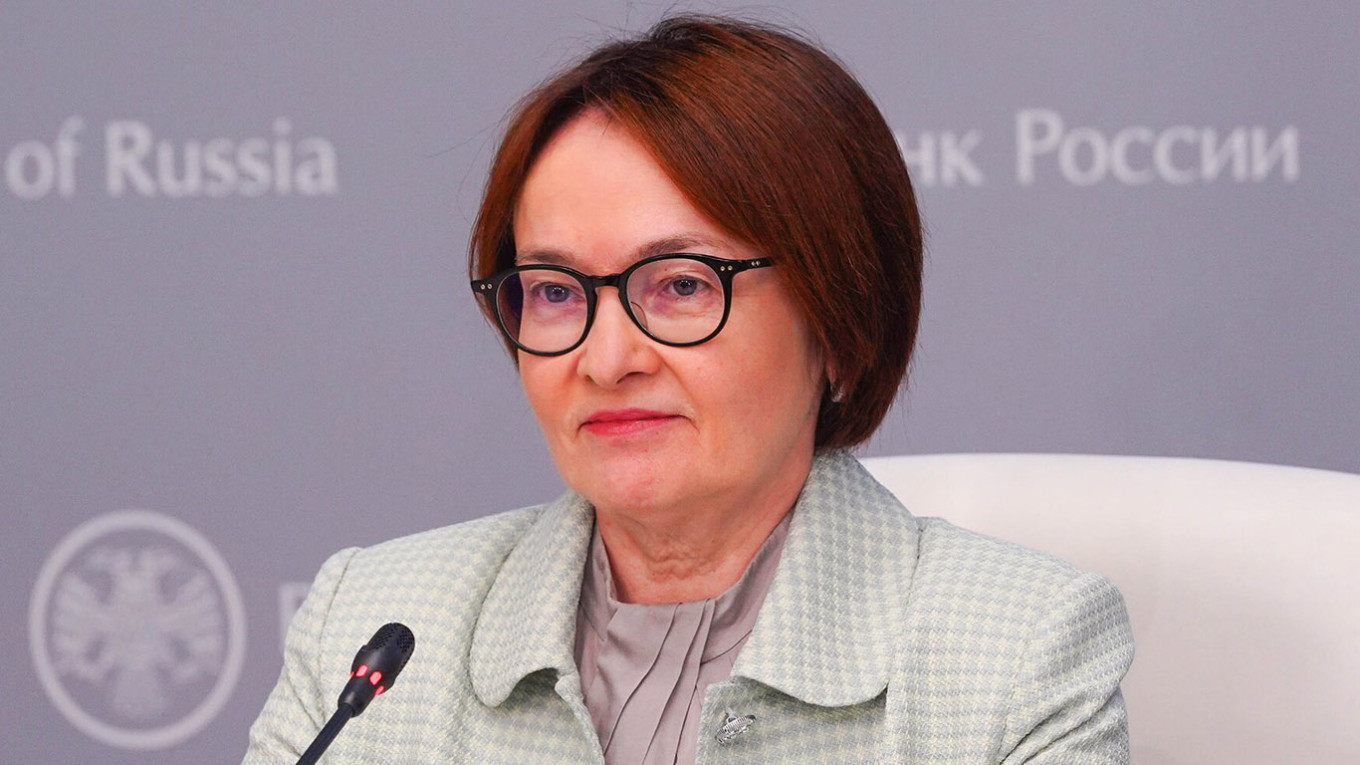
On Friday, Russia’s Central Bank decreased its primary interest rate by a modest 0.5 percentage points, lowering it to 16% in what marks the fifth consecutive adjustment this year.

Policymakers have shown restraint in reducing the key rate following its increase to a two-decade high of 21% in September 2024, a move aimed at tackling soaring inflation primarily caused by extensive military expenditure.

In its statement on Friday, the Central Bank reiterated its previous stance, indicating that it will uphold a stringent monetary policy for an “extended duration” as it seeks to mitigate inflation, even as the economy faces a slowdown due to elevated borrowing costs.

As of mid-December, annual inflation reached 5.8% and is projected to stay below 6% at least until the year’s end, which is two percentage points higher than the Central Bank’s target. Officials anticipate that inflation will revert to the targeted level in the latter half of 2026.

The recent rate cut, similar to previous reductions, was widely expected, as an increasing number of voices within Russia’s business sector have cautioned that the combination of high-interest rates and an overappreciated ruble is creating a “perfect storm” that could hinder investment and adversely affect growth in the future.

According to earlier forecasts from the Central Bank, Russian GDP is anticipated to rise by only 0.5-1% this year, a decrease from the 4.3% growth reported by the state statistics agency Rosstat for 2024.

On Friday, the Central Bank indicated that inflation expectations have edged up slightly, which “could impede a sustained decline” in consumer prices. The statement also noted robust credit activity observed in recent months.

“The Russian economy’s deviation from its balanced growth trajectory is decreasing. Overall economic activity continues to grow at a moderate rate, though trends differ across various sectors,” the policymakers stated, underscoring their commitment to prioritizing inflation reduction.

Simultaneously, the Central Bank mentioned that the 2% rise in Russia’s value-added tax (VAT), set to take effect next year, would lead to a temporary increase in inflation, after which it foresees prices resuming their downward trend.

Sofia Donets, chief economist at T-Investments, described the Central Bank’s statement as “fairly hawkish” and suggested that market participants, who had anticipated more significant regulatory measures, might perceive the modest 0.5 percentage point cut as disappointing.

“Over the past few days, given the weak inflation data, the market had started to anticipate more favorable developments. Consequently, we are now witnessing some cooling,” Donets remarked.

“It is insufficient for inflation to merely decline; the [Central Bank] aims to ensure that this process is sustainable. They may be attempting to establish expectations around a 50-basis-point cut being the new standard, emphasizing that, as the saying goes, much more work is needed to achieve a larger reduction,” she added.

Russian stocks experienced minor increases as the Central Bank tempered expectations regarding more significant rate cuts in the near future, with the MOEX stock index rising approximately 0.21%. The ruble was trading at 80.44 against the U.S. dollar, up by 0.81%.

The next meeting regarding the key interest rate is scheduled for February 13.

Related posts

State Duma Passes 2026-28 Budget and Tax Increase Bills Текст: State Duma lawmakers on ThursdaypassedRussia’s three-year federal budget and a package of tax increases, bills aimed at shoring up government revenues as spending on the war against Ukraine remains a top priority for the Kremlin. Under the budget plan, the government expects revenue of 40.3 trillion rubles ($491.7 billion) next year and spending of 44 trillion rubles ($548.3 billion), leaving a projected deficit of 3.8 trillion rubles ($47.3 billion). Defense and national security will account for roughly 38% of all spending in 2026, or 16.8 trillion rubles ($209.5 billion), which is slightly lower than in the previous two years but still far above pre-war levels. Lawmakers sought to highlight funding for domestic programs, including more than 10 trillion rubles ($124.6 billion) for family support measures and 50 billion rubles ($623 million) for a state-backed charity foundation that assists soldiers fighting in Ukraine and their families. Although overall spending will remain broadly stable, budget allocations reveal that the Kremlin’s priorities continue to lie in foreign policy and defense. Alongside the budget plan, the State Duma approved a series of tax changes aimed at closing the fiscal gap created by soaring military expenditures and falling oil and gas revenues under Western sanctions. Russia’s value-added tax (VAT) will increase to 22% from 20%, a move expected to raise consumer prices higher. Economists, including those at the Financial Ministry, havesaidthey anticipate a modest rise in inflation as the VAT hike takes effect starting next year. More small businesses will also be swept into the tax system. The annual revenue threshold for companies required to pay VAT will drop from 60 million rubles ($732,000) to 10 million rubles ($122,000). Some lawmakers havewarnedthat the change could strain small businesses and individual entrepreneurs, many of whom earn less than 200,000 rubles ($2,500) a month after taxes and salaries. Economists estimate the full package, which also includes a new levy on betting company profits, could bring in nearly 3 trillion rubles ($35 billion) in additional revenue. State Duma Speaker Vyacheslav Volodin said Thursday that lawmakers had approved the federal budget and tax hikes “under difficult circumstances,” citing more than 30,000 sanctions imposed on Russia and what he called “unfriendly actions” by the EU targeting Russian assets. The 2026-28 budget passed with 349 votes, while 56 lawmakers — mostly from the Communist Party — abstained. Only one deputy, Anton Krasnoshantov of the ruling United Russia party, was recorded as voting against the bill, though his “no” vote was allegedly the result of a technical error. The federal budget and tax bills now head to the Federation Council, where they are expected to receive swift approval before being sent to President Vladimir Putin’s desk for his signature.

rimmaruslan98@gmail.com

Zabaikalsky Governor Disbands Cabinet Amid Controversy Over Soldiers Benefits

Ex-State TV Host Sentenced to 8 Years for Promoting Anti-Military Views and Supporting Terrorism


This website uses cookies to improve your experience. We'll assume you're ok with this, but you can opt-out if you wish. Accept Read More