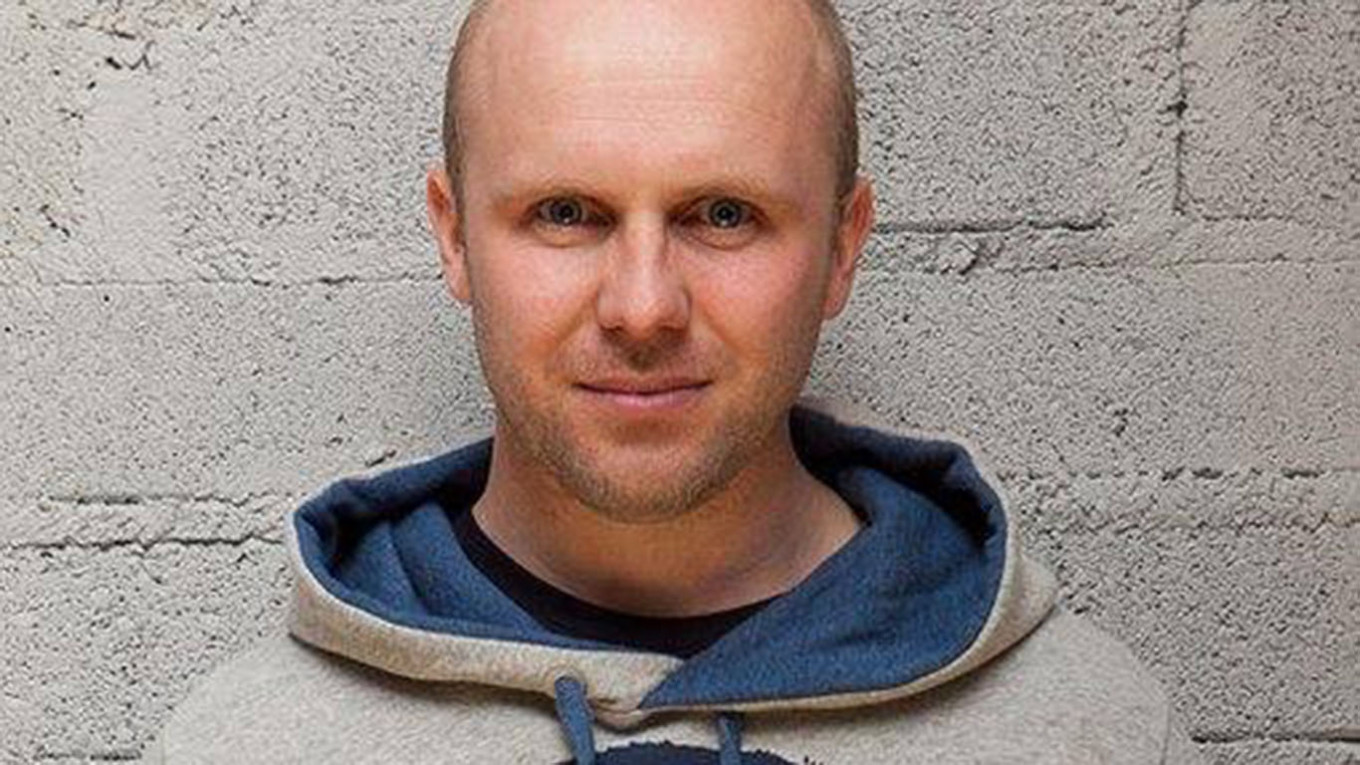
A Russian individual with Irish citizenship has been detained in pre-trial custody in Chelyabinsk, a city in the Ural Mountains, since August 2025, facing accusations that include “justifying” terrorism, according to reports from Irish media this week.
Dmitry Simbayev, who has spent over twenty years living and working in County Galway, Ireland, was traveling with his Russian passport when he was apprehended by local authorities upon his arrival in Chelyabinsk on August 14, as reported by his wife, Daria Petrenko, to The Irish Times.
Petrenko, who hails from Kharkiv in Ukraine, explained that her husband is charged with justifying terrorism, inciting extremist actions, and promoting vigilantism with violence. The civil rights organization OVD-Info indicated that the third accusation of vigilantism might stem from a misunderstanding of an actual charge related to his dual citizenship, which he allegedly failed to disclose to Russian authorities. This offense could result in a fine of up to 200,000 rubles (approximately $2,570) and four years of community service.
She reported that authorities examined Simbayev’s luggage and confiscated his mobile phone upon his arrival at the Chelyabinsk airport. The police informed him of the detention citing “anti-Russian” material found on his phone, which she believes consists of messages she sent in 2024, expressing her discontent about Russia’s large-scale invasion of Ukraine.
Ireland’s Department of Foreign Affairs confirmed it is aware of the situation and is providing consular support, but it refrained from commenting on Simbayev’s detention, as noted by The Irish Times.
Russian officials have yet to make any public statements regarding his arrest.
According to The Irish Times and the public broadcaster RTE, Simbayev’s possession of a Russian passport complicates the possibility of intervention by Irish authorities.
Petrenko has accused Russian law enforcement of preventing her husband from receiving phone calls or visits from his parents during his detention. “He hasn’t had any contact with his parents in four months. Only the lawyer has been able to speak with my husband, perhaps once a week. I receive very limited information,” she told The Irish Times.
Since the onset of the invasion of Ukraine, Russian authorities have detained numerous individuals on various grounds after inspecting their personal electronic devices at border checkpoints for content that may be critical of the Russian government or indicate support for Ukraine.
In another high-profile case, Russian-American Ksenia Karelina was arrested in January 2024 while visiting family in Yekaterinburg and subsequently sentenced to 12 years in prison for treason for allegedly donating around $50 to a charity aiding Ukraine. Karelina was released last year in a prisoner exchange between the United States and Russia.