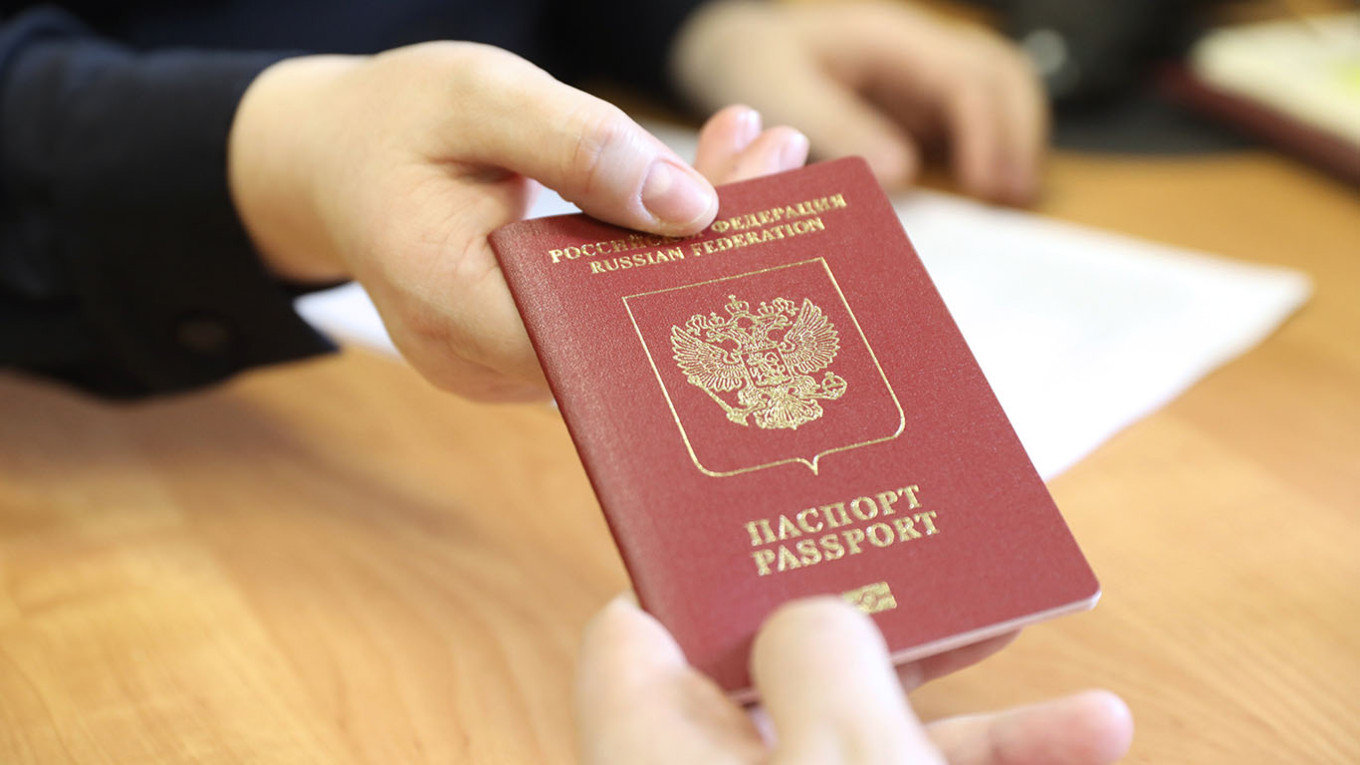
The Russian government is encouraging its citizens to acquire new biometric passports as an increasing number of European Union countries implement the bloc’s digital entry system for non-EU nationals, with a deadline approaching this spring.
The visa-free Schengen zone initiated the rollout of its Entry/Exit System (EES) in October, which replaces manual passport stamping with biometric data to enhance security and monitor overstays.
A total of 29 countries within the Schengen area have either ceased or will no longer accept five-year non-biometric passports by the deadline of April 10.
“The holders of these passports are required to obtain new biometric (10-year) general foreign passports ahead of time,” stated the Russian Embassy in Warsaw in a message released on Wednesday.
The embassy noted that Poland will implement the EES on April 1, after which entry into the European Union using outdated Russian passports will not be permitted.
Other nations, such as Germany, France, Denmark, and the Czech Republic, have already adopted the EES.
Prior to 2022, the year that President Vladimir Putin ordered a full-scale invasion of Ukraine, Russian nationals made up a significant portion of Schengen visa applicants.
Travel experts indicate that interest in Schengen visas remains strong among Russians, even with the growing number of restrictions placed by the EU in response to the aggression against Ukraine.