Restoration Efforts Underway for Zaporizhzhia Nuclear Plants Critical Power Lines After Extended Outage | World | london-news-net.preview-domain.com

Restoration Efforts Underway for Zaporizhzhia Nuclear Plants Critical Power Lines After Extended Outage

Restoration Efforts Underway for Zaporizhzhia Nuclear Plants Critical Power Lines After Extended Outage

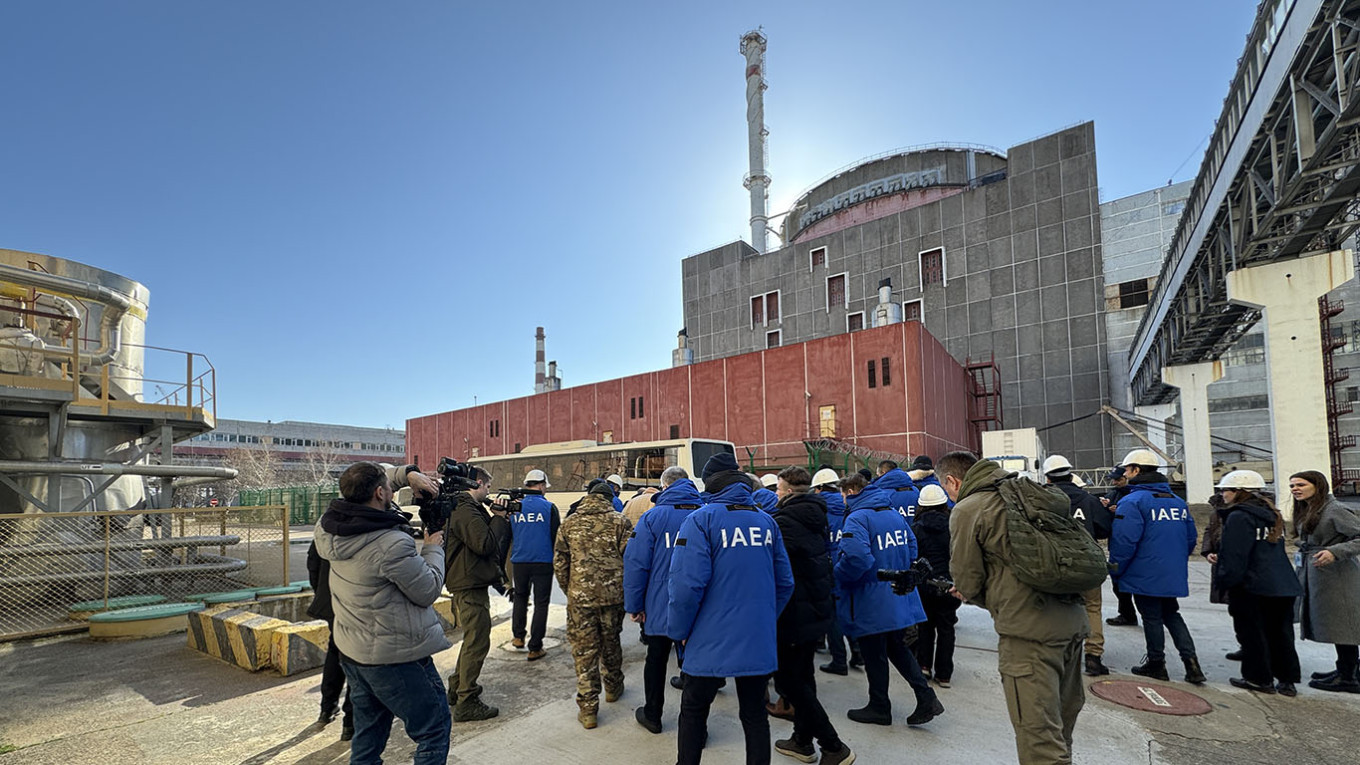
Repairs are underway for the damaged power lines connected to Ukraine’s Zaporizhzhia nuclear power plant, following a prolonged outage that occurred after local ceasefire zones were established, the UN’s nuclear regulatory body reported on Saturday.

Since Russian forces took control of the facility in March 2022, it lost its power connection to the grid on September 23 for the tenth time, marking the longest period without external power since the beginning of the invasion.

Rafael Grossi, the director of the International Atomic Energy Agency (IAEA), announced on X that repairs to the external power lines commenced after local ceasefire zones were created to facilitate this work.

The IAEA noted that both parties collaborated with the agency to enable the execution of a “complex repair plan.”

“Restoring off-site power is vital for nuclear safety and security,” the agency emphasized.

However, they did not specify the duration required for the repairs, which are believed to be necessary on both sides of the frontline, several kilometers away from the plant.

Since the power loss, Europe’s largest nuclear plant has relied on emergency diesel generators for its power needs. The IAEA has confirmed that safety protocols are being upheld, with reactors being adequately cooled.

Situated near Enerhodar along the Dnieper River, the nuclear facility lies near the active combat zone.

Prior to the conflict, the plant’s six reactors contributed about 20% of Ukraine’s electricity, but all have been shut down since Moscow assumed control.

Electricity is crucial for the plant’s cooling and safety systems to avert potential disasters.

At the start of October, Moscow asserted that the situation in Zaporizhzhia was “under control,” following concerns expressed by Ukrainian President Volodymyr Zelensky.

Both Moscow and Kyiv have repeatedly accused one another of endangering nuclear safety through attacks on the site and have blamed each other for the recent power disruptions.

Related posts

State Duma Passes 2026-28 Budget and Tax Increase Bills Текст: State Duma lawmakers on ThursdaypassedRussia’s three-year federal budget and a package of tax increases, bills aimed at shoring up government revenues as spending on the war against Ukraine remains a top priority for the Kremlin. Under the budget plan, the government expects revenue of 40.3 trillion rubles ($491.7 billion) next year and spending of 44 trillion rubles ($548.3 billion), leaving a projected deficit of 3.8 trillion rubles ($47.3 billion). Defense and national security will account for roughly 38% of all spending in 2026, or 16.8 trillion rubles ($209.5 billion), which is slightly lower than in the previous two years but still far above pre-war levels. Lawmakers sought to highlight funding for domestic programs, including more than 10 trillion rubles ($124.6 billion) for family support measures and 50 billion rubles ($623 million) for a state-backed charity foundation that assists soldiers fighting in Ukraine and their families. Although overall spending will remain broadly stable, budget allocations reveal that the Kremlin’s priorities continue to lie in foreign policy and defense. Alongside the budget plan, the State Duma approved a series of tax changes aimed at closing the fiscal gap created by soaring military expenditures and falling oil and gas revenues under Western sanctions. Russia’s value-added tax (VAT) will increase to 22% from 20%, a move expected to raise consumer prices higher. Economists, including those at the Financial Ministry, havesaidthey anticipate a modest rise in inflation as the VAT hike takes effect starting next year. More small businesses will also be swept into the tax system. The annual revenue threshold for companies required to pay VAT will drop from 60 million rubles ($732,000) to 10 million rubles ($122,000). Some lawmakers havewarnedthat the change could strain small businesses and individual entrepreneurs, many of whom earn less than 200,000 rubles ($2,500) a month after taxes and salaries. Economists estimate the full package, which also includes a new levy on betting company profits, could bring in nearly 3 trillion rubles ($35 billion) in additional revenue. State Duma Speaker Vyacheslav Volodin said Thursday that lawmakers had approved the federal budget and tax hikes “under difficult circumstances,” citing more than 30,000 sanctions imposed on Russia and what he called “unfriendly actions” by the EU targeting Russian assets. The 2026-28 budget passed with 349 votes, while 56 lawmakers — mostly from the Communist Party — abstained. Only one deputy, Anton Krasnoshantov of the ruling United Russia party, was recorded as voting against the bill, though his “no” vote was allegedly the result of a technical error. The federal budget and tax bills now head to the Federation Council, where they are expected to receive swift approval before being sent to President Vladimir Putin’s desk for his signature.

rimmaruslan98@gmail.com

Lavrovs Position in Question as Kremlin Denies Reports of Disfavor with Putin

rimmaruslan98@gmail.com

Ukrainian Evacuation Efforts Intensify in Sumy Region as Russian Threats Escalate


This website uses cookies to improve your experience. We'll assume you're ok with this, but you can opt-out if you wish. Accept Read More