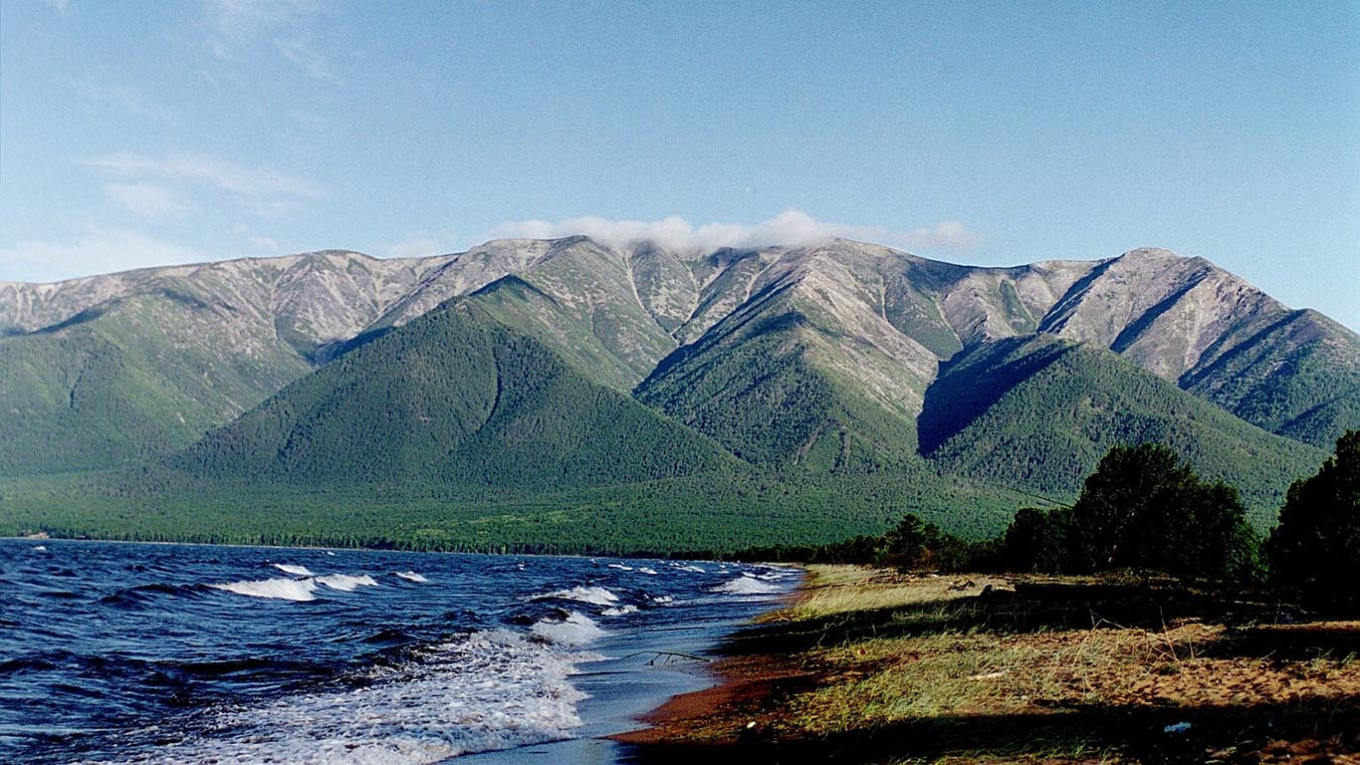
On Monday, President Vladimir Putin enacted a controversial law permitting restricted logging along the shores of Lake Baikal, marking the conclusion of a legislative process that has raised warnings from scientists and some officials regarding potential threats to the ecosystem of this UNESCO World Heritage site.
The new law maintains a formal prohibition on logging within the Central Ecological Zone of the Baikal Natural Reserve, which spans approximately 409,000 acres. However, it allows for the clearing of forests that have been identified as having lost their ecological, water-protective, and other vital functions, as stated in the publicly released text.
Additionally, the legislation enables the reclassification of certain areas within the Forest Fund that lie within the protected zone, a change that could pave the way for new developments. The Forest Fund includes all forested lands under federal jurisdiction in Russia.
Proponents of the amendments to the protection statute for Lake Baikal claimed that these alterations are necessary to facilitate the construction of roads, utilities, and other essential infrastructure, such as public restrooms, for isolated lakeside communities.
In contrast, critics have expressed concerns that these stipulations could lead to extensive clear-cutting disguised as sanitary logging, which is intended to mitigate damage from pests, wildfires, and diseases.
Furthermore, opponents have accused legislators of promoting private business interests, including those of billionaire Oleg Deripaska, who stands to gain from tourism and logging ventures in the area.
In defense of the legislation, the Natural Resources Ministry asserted that it preserves Baikal’s “highest protective status” and upholds the ban on commercial logging, stating that the modifications are crucial for enhancing safety and living conditions for local residents.
Environmental experts, however, remain doubtful, warning that the use of heavy machinery, soil erosion, and a lack of transparency in the land reclassification process could inflict irreversible damage on the lake’s delicate ecosystem, favoring development over conservation.
The logging proposal was presented in 2023 and met with ongoing opposition from scientists, including members of the Russian Academy of Sciences. A petition opposing the bill had garnered over 116,000 signatures on Change.org.
Earlier this year, UNESCO, which classified Lake Baikal as a World Heritage site in 1996, expressed concerns about the lake’s “uncertain legal protection” if the bill were to be enacted.