New Legislation in Russia Ends Annual Financial Disclosure Mandate for Government Officials | World | london-news-net.preview-domain.com

New Legislation in Russia Ends Annual Financial Disclosure Mandate for Government Officials

New Legislation in Russia Ends Annual Financial Disclosure Mandate for Government Officials

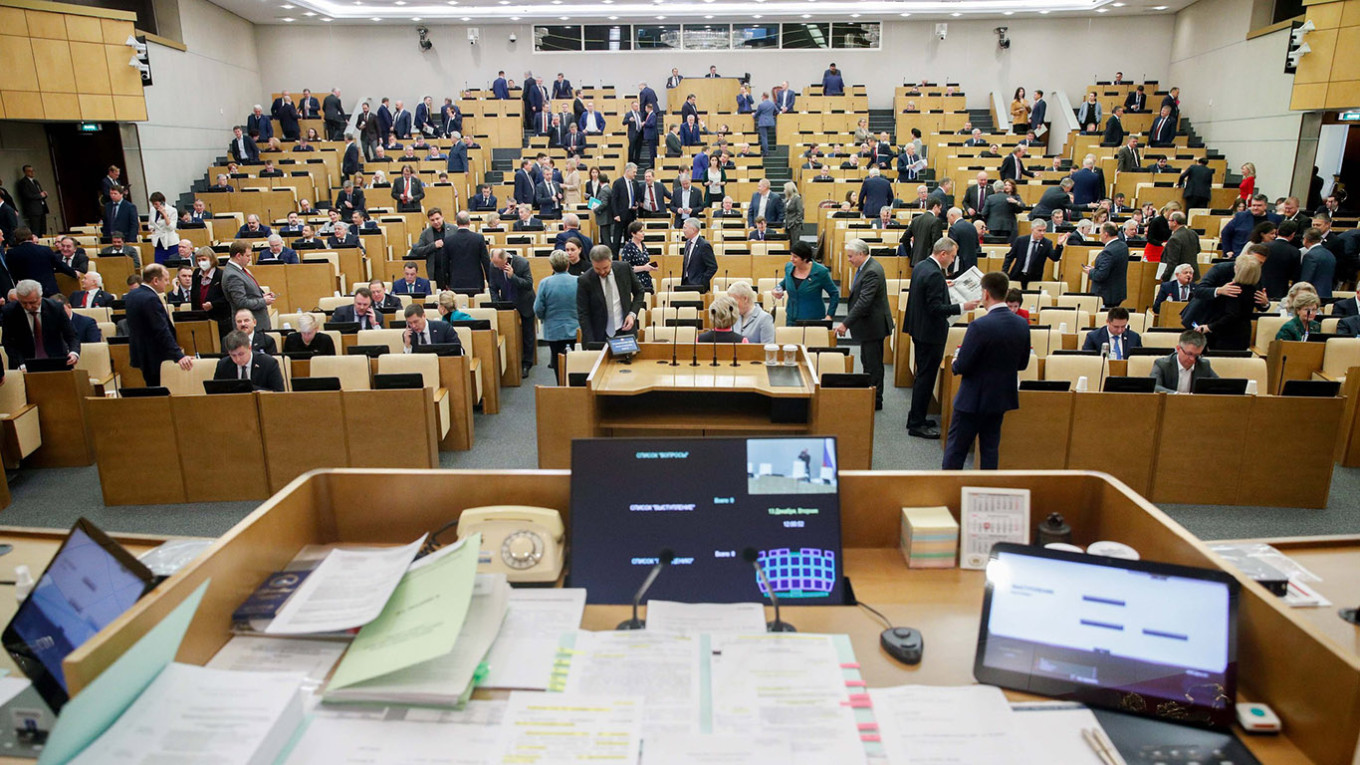
On Thursday, Russia’s lower house, the State Duma, approved a set of legislation that exempts government officials from submitting annual public financial disclosures, a change that lawmakers claim will enhance oversight.

According to the new law, financial monitoring of officials and their immediate family members will be handled through a secured state information system called Poseidon, which provides real-time tracking of income, assets, and property. This system is interconnected with various government databases, including those maintained by the Federal Tax Service and the financial oversight agency, Rosfinmonitoring.

“This will… also allow for quick responses to corruption-related offenses,” stated Vasily Piskaryov, a representative from the ruling United Russia party, characterizing the update as a departure from an “outdated system.”

Access to Poseidon will be restricted to specific authorized government entities, such as the Presidential Administration and the Federal Protective Service.

Officials will still need to file financial declarations when they assume new roles, transfer between government agencies, or make purchases that exceed their family’s total income over the past three years, as outlined in the bill.

These amendments are expected to come into effect on January 1, pending approval from the upper house, the Federation Council, and a signature from President Vladimir Putin.

The legislation was put forward by deputies from all factions of the State Duma just ten days prior to Thursday’s vote, though members of the Communist Party voiced their opposition during discussions.

In December 2022, Putin halted the mandatory disclosure of officials’ financial declarations for the duration of the war in Ukraine. Shortly thereafter, disclosures, including those submitted before Russia’s full-scale invasion in February 2022, began to vanish from official online platforms.

Prior to this decree, Russian law mandated that civil servants publicly report their income and assets, as well as those of their immediate family members, as part of an anti-corruption initiative implemented in 2008.

Related posts

Russia Denounces European Peacekeeper Initiative in Ukraine as a Threat to Stability

rimmaruslan98@gmail.com

Uzbekistan Urges Russia to Respect Its Citizens Amid Migrant Crackdown Текст: Uzbekistans Foreign Ministry on Wednesday urged Russia to treat its citizens with respect as authorities in Moscow tighten migration laws and carry out mass inspections targeting foreign workers Over the past year, Russia has introduced tighter migration rules, including new laws to locate and expel migrants more easily. The changes have sparked protests from several Central Asian countries, including Uzbekistan. Roughly 4 million migrants from the five former Soviet republics of Central Asia — Uzbekistan, Kyrgyzstan, Tajikistan, Kazakhstan and Turkmenistan — currently live in Russia, according to government data. Many work in low-wage sectors and send home remittances critical to their domestic economies. Uzbekistans Foreign Ministry said it had received reports of unauthorized inspections and cases of disrespectful and rude treatment of its citizens in Russia. It called on Moscow to treat Uzbek citizens with respect and to prevent actions that humiliate their honor and dignity, according to a statement published by state media. Tashkent also submitted a formal protest note to Russia requesting clarification about the reports. Russias Foreign Ministry said it was studying the note and described Uzbekistan as a strategic partner, the state-run news agency TASS reported. In recent months, Kyrgyzstan and Tajikistan have issued similar protests, denouncing mass detentions of their citizens in Russia. The crackdown follows the deadly 2024 terrorist attack at Crocus City Hall, which Russian officials blame on gunmen from Central Asia. Since then, Moscow has stepped up its efforts to police and repatriate foreign nationals. The war in Ukraine has further complicated matters for Central Asian migrants, with Russian authorities accused of pressuring some to enlist in the military. Russias Investigative Committee said last year that 10,000 foreign nationals with Russian citizenship had been sent to the front lines. Ukraines military estimates that around 3,000 Central Asians are fighting for Russia. Local media report that several dozen have been killed or imprisoned upon returning home. Despite a decline in migration, remittances remain vital to Central Asian economies. According to the World Bank, they account for 45% of GDP in Tajikistan, 24% in Kyrgyzstan and 14% in Uzbekistan.

Pro-Ukrainian Cyber Group Employs AI Deception in Attacks on Russian Defense Firms

rimmaruslan98@gmail.com

This website uses cookies to improve your experience. We'll assume you're ok with this, but you can opt-out if you wish. Accept Read More