Kremlin Directs Officials to Shift Telegram Operations to National Messaging App Max | World | london-news-net.preview-domain.com

Kremlin Directs Officials to Shift Telegram Operations to National Messaging App Max

Kremlin Directs Officials to Shift Telegram Operations to National Messaging App Max

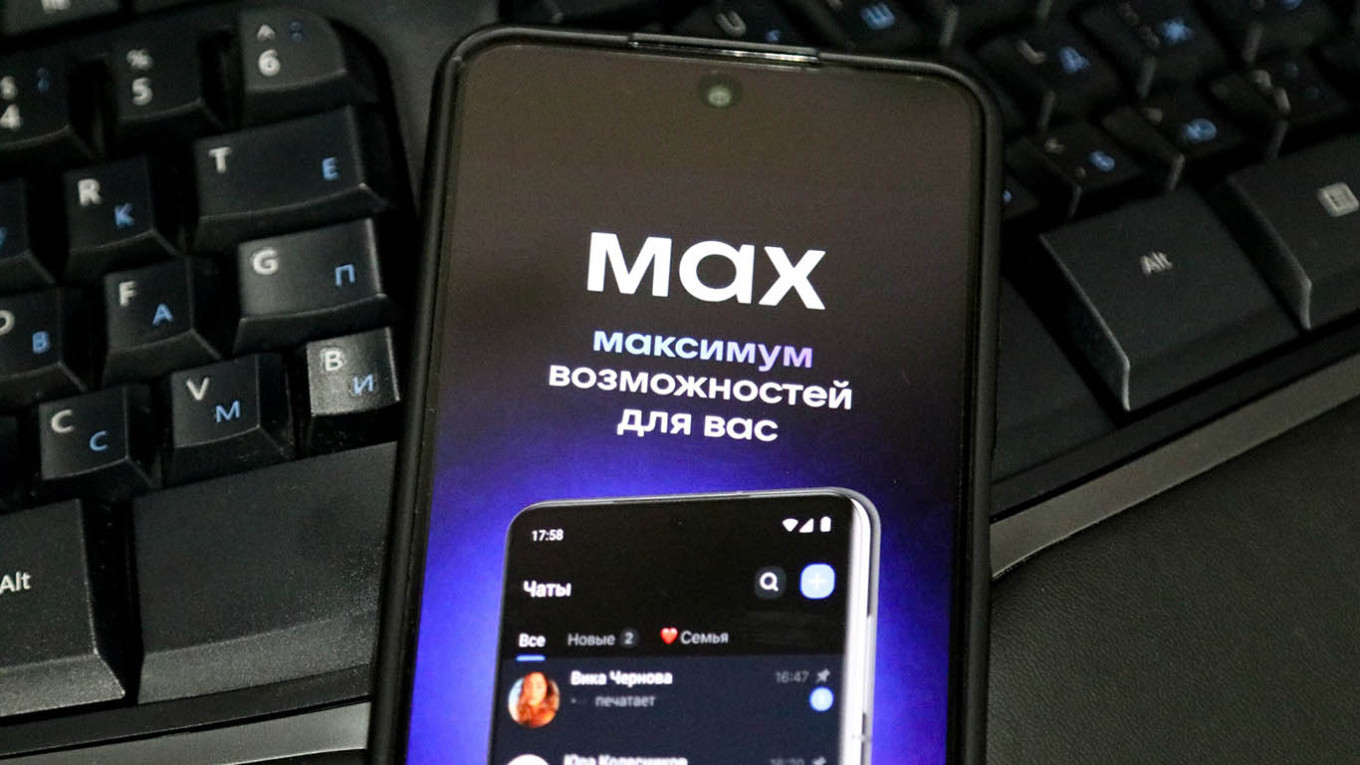
The Kremlin has instructed government officials and lawmakers to transition their Telegram channels to the domestic messaging application Max, as it intensifies regulations on foreign platforms, according to the exiled news outlet Vyorstka reported on Thursday.

This initiative aims to establish a “priority information system” on Max prior to the platform’s public launch, a source linked to the presidential administration informed Vyorstka.

Channels managed by the State Duma, as well as those by regional governors, local authorities, and notable pro-Kremlin commentators, are anticipated to debut on the app in the upcoming weeks.

The content will be curated by Dialog, a state-supported nonprofit organization overseeing communications for regional governments.

Officials will continue to have a presence on other platforms like Telegram, but using Max channels has now become compulsory for governors and for official work communications, a source from a Siberian region revealed to Vyorstka.

State Duma Speaker Vyacheslav Volodin stated he joined Max on Wednesday, describing the process as “completely straightforward.”

On the same day, press officers from the Duma informed reporters that all official statements would now be exclusively published on Max, discontinuing their use of Telegram.

This directive arrives as Russian authorities experiment with restrictions on foreign messaging applications.

Vyorstka reported that the Kremlin opted not to immediately ban Telegram and WhatsApp following discussions with the Digital Development Ministry and the Federal Security Service (FSB), starting instead with a prohibition on voice calls.

On Wednesday, the state communications regulator Roskomnadzor announced it was enforcing “partial” restrictions on calls made through both applications, citing citizen complaints that they had become the “primary voice services” for scams, extortion, and recruitment for sabotage or terrorism.

The Digital Development Ministry noted that calls on these apps could be reinstated if they align with Russian legislation.

Related posts

Russian Envoy Dmitriev Heads to Miami for Talks Amid Ukraine Conflict

rimmaruslan98@gmail.com

Odesa Port Seizes Cargo Ship Tied to Russias Shadow Fleet Operations

rimmaruslan98@gmail.com

Ukraine Launches Record Number of Strikes on Russian Oil Refineries in November Текст: Ukraine carried out at least 14 drone attacks on Russian oil refineries in November in a new monthly record, BloombergreportedMonday, citing public statements from both countries. Kyiv has stepped up strikes on Russia’s energy infrastructure since August in a bid to undercut Moscow’s oil revenues, a key source of funding for its war effort. Among the refineries struck was theAfipsky plantnear Krasnodar, one of the largest in southern Russia with an annual capacity of 9.1 million tons. The facility had already been hit in September, when one of its units was damaged. Rosneft’s Ryazan refinery has been offline since mid-November after drones disabled the main refining unit, which accounts for nearly half of its total 17.1-million-ton annual capacity, Reutersreported. Another unit responsible for more than a quarter of output had been shut down following a drone strike on Oct. 24. Lukoil’s Volgograd refinery has also temporarily halted operations after damage to its primary oil processing unit, which is responsible for around 20% of its capacity of 13.7 million tons per year. Drones also hit the Orsknefteorgsintez refinery in Orsk, Orenburg region, located 1,400 kilometers from Ukraine. Russia’s average daily refining volume has fallen to around 5 million barrels per day as a result of the intensified campaign, down from the 5.3-5.5 million barrels per day typically processed in late autumn, Bloomberg cited analytics firm Kpler as saying. Ukraine also launched four strikes on oil-handling facilities at Black Sea ports,causingseveral days of delays in crude shipments after damage to the port of Novorossiysk. Ukrainian unmanned surface vessels targeted two sanctioned tankers carrying Russian oil in the Black Sea at the end of November, Bloomberg reported. Another tanker transporting Russian gasoil washitby explosions off the coast of Senegal late last month.

rimmaruslan98@gmail.com

This website uses cookies to improve your experience. We'll assume you're ok with this, but you can opt-out if you wish. Accept Read More