European Court of Human Rights Orders Russia to Compensate Georgia for Post-War Violations with Nearly $300 Million | World | london-news-net.preview-domain.com

European Court of Human Rights Orders Russia to Compensate Georgia for Post-War Violations with Nearly $300 Million

European Court of Human Rights Orders Russia to Compensate Georgia for Post-War Violations with Nearly $300 Million

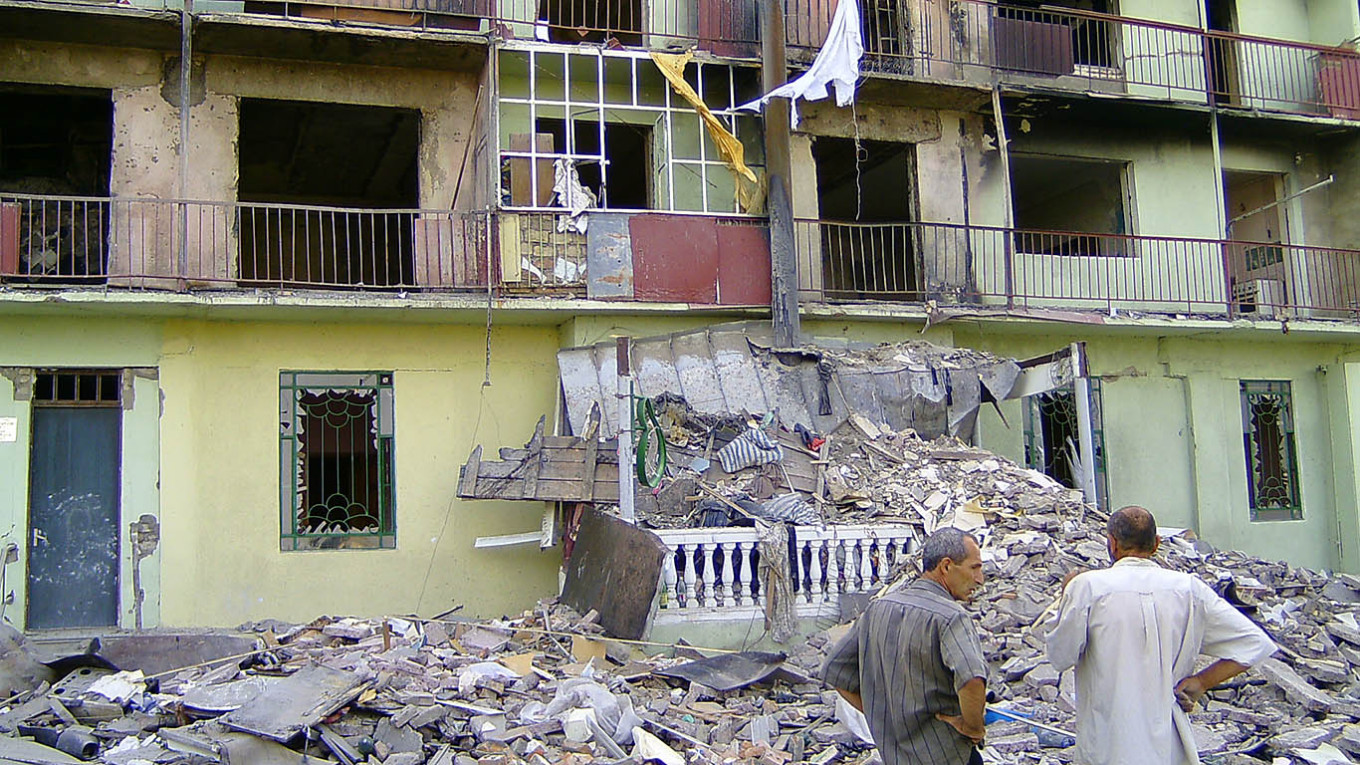
The European Court of Human Rights (ECHR) ruled on Tuesday that Russia must pay Georgia over 250 million euros (approximately $289,000) due to violations that occurred following the brief conflict between the two nations in August 2008.

The ECHR accused Russia of obstructing individuals from freely accessing the regions of Abkhazia and South Ossetia, which are Georgian territories that Moscow recognized as independent after the Russo-Georgian War.

The court determined that Russia had committed multiple infringements, including excessive force, mistreatment, unlawful detention, and illegitimate restrictions on daily movements across the administrative boundary between Georgian-controlled areas and the breakaway regions. As a result, it mandated that Russia compensate nearly 30,000 victims.

The ECHR is part of the Council of Europe, the leading human rights institution on the continent, from which Russia was expelled shortly after its large-scale invasion of Ukraine in February 2022. However, the court asserts that Moscow remains accountable for the violations that occurred while it was still a member.

According to the ECHR, it will be the responsibility of the Georgian government to create an “effective mechanism” for distributing compensation to the individual victims within 18 months of Russia making the payment. Nevertheless, it is unlikely that Moscow will comply, as it has a history of disregarding ECHR decisions, even during its membership.

Georgian officials report that there have been fatalities among those attempting to enter or exit Abkhazia and South Ossetia, with others being detained for “illegally crossing” the administrative boundary line.

This report includes contributions from AFP.

Related posts

State Duma Passes 2026-28 Budget and Tax Increase Bills Текст: State Duma lawmakers on ThursdaypassedRussia’s three-year federal budget and a package of tax increases, bills aimed at shoring up government revenues as spending on the war against Ukraine remains a top priority for the Kremlin. Under the budget plan, the government expects revenue of 40.3 trillion rubles ($491.7 billion) next year and spending of 44 trillion rubles ($548.3 billion), leaving a projected deficit of 3.8 trillion rubles ($47.3 billion). Defense and national security will account for roughly 38% of all spending in 2026, or 16.8 trillion rubles ($209.5 billion), which is slightly lower than in the previous two years but still far above pre-war levels. Lawmakers sought to highlight funding for domestic programs, including more than 10 trillion rubles ($124.6 billion) for family support measures and 50 billion rubles ($623 million) for a state-backed charity foundation that assists soldiers fighting in Ukraine and their families. Although overall spending will remain broadly stable, budget allocations reveal that the Kremlin’s priorities continue to lie in foreign policy and defense. Alongside the budget plan, the State Duma approved a series of tax changes aimed at closing the fiscal gap created by soaring military expenditures and falling oil and gas revenues under Western sanctions. Russia’s value-added tax (VAT) will increase to 22% from 20%, a move expected to raise consumer prices higher. Economists, including those at the Financial Ministry, havesaidthey anticipate a modest rise in inflation as the VAT hike takes effect starting next year. More small businesses will also be swept into the tax system. The annual revenue threshold for companies required to pay VAT will drop from 60 million rubles ($732,000) to 10 million rubles ($122,000). Some lawmakers havewarnedthat the change could strain small businesses and individual entrepreneurs, many of whom earn less than 200,000 rubles ($2,500) a month after taxes and salaries. Economists estimate the full package, which also includes a new levy on betting company profits, could bring in nearly 3 trillion rubles ($35 billion) in additional revenue. State Duma Speaker Vyacheslav Volodin said Thursday that lawmakers had approved the federal budget and tax hikes “under difficult circumstances,” citing more than 30,000 sanctions imposed on Russia and what he called “unfriendly actions” by the EU targeting Russian assets. The 2026-28 budget passed with 349 votes, while 56 lawmakers — mostly from the Communist Party — abstained. Only one deputy, Anton Krasnoshantov of the ruling United Russia party, was recorded as voting against the bill, though his “no” vote was allegedly the result of a technical error. The federal budget and tax bills now head to the Federation Council, where they are expected to receive swift approval before being sent to President Vladimir Putin’s desk for his signature.

rimmaruslan98@gmail.com

Ukrainian Drone Strikes Leave 16 Injured in Belgorod, Regional Officials Report

U.S. Eases Restrictions on Lukoil Gas Stations While Navigating Sanctions Landscape

rimmaruslan98@gmail.com

This website uses cookies to improve your experience. We'll assume you're ok with this, but you can opt-out if you wish. Accept Read More