Prosthetic Revolution: How Wounded Soldiers are Driving Russias Surge in Limb Innovation | World | london-news-net.preview-domain.com

Prosthetic Revolution: How Wounded Soldiers are Driving Russias Surge in Limb Innovation

Prosthetic Revolution: How Wounded Soldiers are Driving Russias Surge in Limb Innovation

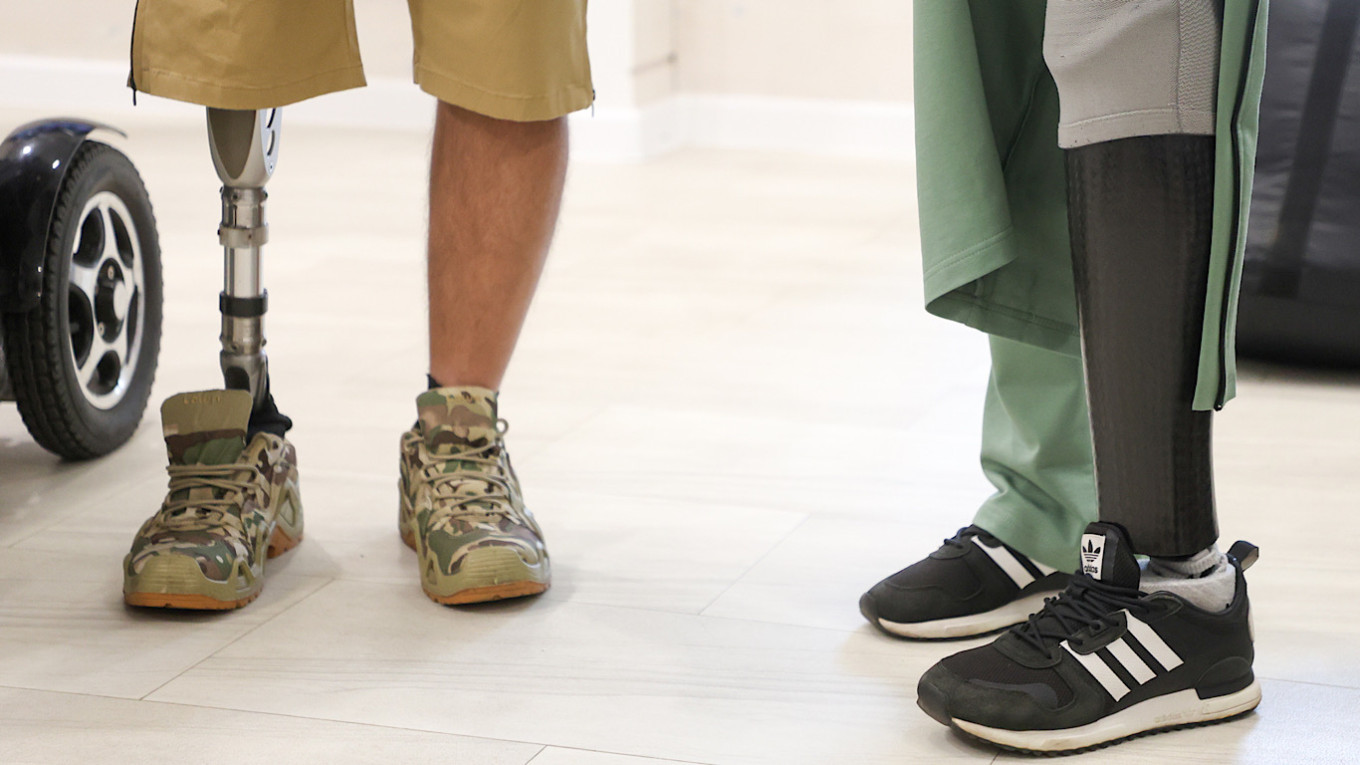
A high-ranking official from the Defense Ministry stated on Thursday that the number of Russian troops injured in the conflict with Ukraine has positioned the country at the forefront of prosthetic limb technology.

Deputy Defense Minister Anna Tsivilyova, who is believed to be related to President Vladimir Putin, noted that the influx of veterans returning from combat has become a significant catalyst for advancements in prosthetics.

“We have likely become a leader in this domain,” Tsivilyova mentioned during the Eastern Economic Forum held in Vladivostok. “The individuals involved in the special military operation have helped us achieve a premier status, putting us ahead of numerous other nations,” she remarked, referring to the Kremlin’s terminology for the conflict.

Data from the Russian government reveals that in 2024, the country provided 60,000 more prosthetic limbs than in 2021, reflecting a 65% rise.

Moscow maintains strict secrecy regarding the reported casualties among soldiers and rarely releases details about the number of deaths and injuries. According to the BBC and the exiled news outlet Mediazona, they have documented over 125,000 fatalities among Russian soldiers in the conflict.

Last year, Putin stated that about 700,000 Russian troops were engaged in combat in Ukraine.

Related posts

State Duma Passes 2026-28 Budget and Tax Increase Bills Текст: State Duma lawmakers on ThursdaypassedRussia’s three-year federal budget and a package of tax increases, bills aimed at shoring up government revenues as spending on the war against Ukraine remains a top priority for the Kremlin. Under the budget plan, the government expects revenue of 40.3 trillion rubles ($491.7 billion) next year and spending of 44 trillion rubles ($548.3 billion), leaving a projected deficit of 3.8 trillion rubles ($47.3 billion). Defense and national security will account for roughly 38% of all spending in 2026, or 16.8 trillion rubles ($209.5 billion), which is slightly lower than in the previous two years but still far above pre-war levels. Lawmakers sought to highlight funding for domestic programs, including more than 10 trillion rubles ($124.6 billion) for family support measures and 50 billion rubles ($623 million) for a state-backed charity foundation that assists soldiers fighting in Ukraine and their families. Although overall spending will remain broadly stable, budget allocations reveal that the Kremlin’s priorities continue to lie in foreign policy and defense. Alongside the budget plan, the State Duma approved a series of tax changes aimed at closing the fiscal gap created by soaring military expenditures and falling oil and gas revenues under Western sanctions. Russia’s value-added tax (VAT) will increase to 22% from 20%, a move expected to raise consumer prices higher. Economists, including those at the Financial Ministry, havesaidthey anticipate a modest rise in inflation as the VAT hike takes effect starting next year. More small businesses will also be swept into the tax system. The annual revenue threshold for companies required to pay VAT will drop from 60 million rubles ($732,000) to 10 million rubles ($122,000). Some lawmakers havewarnedthat the change could strain small businesses and individual entrepreneurs, many of whom earn less than 200,000 rubles ($2,500) a month after taxes and salaries. Economists estimate the full package, which also includes a new levy on betting company profits, could bring in nearly 3 trillion rubles ($35 billion) in additional revenue. State Duma Speaker Vyacheslav Volodin said Thursday that lawmakers had approved the federal budget and tax hikes “under difficult circumstances,” citing more than 30,000 sanctions imposed on Russia and what he called “unfriendly actions” by the EU targeting Russian assets. The 2026-28 budget passed with 349 votes, while 56 lawmakers — mostly from the Communist Party — abstained. Only one deputy, Anton Krasnoshantov of the ruling United Russia party, was recorded as voting against the bill, though his “no” vote was allegedly the result of a technical error. The federal budget and tax bills now head to the Federation Council, where they are expected to receive swift approval before being sent to President Vladimir Putin’s desk for his signature.

rimmaruslan98@gmail.com

Indias Largest Oil Refiner Defies U.S. Pressure by Resuming Russian Crude Purchases

rimmaruslan98@gmail.com

Azerbaijani Diaspora Leader in Moscow Loses Russian Citizenship Amid Rising Tensions


This website uses cookies to improve your experience. We'll assume you're ok with this, but you can opt-out if you wish. Accept Read More