U.S. Frees Russian Sailors from Seized Oil Tanker in North Atlantic | World | london-news-net.preview-domain.com

U.S. Frees Russian Sailors from Seized Oil Tanker in North Atlantic

U.S. Frees Russian Sailors from Seized Oil Tanker in North Atlantic

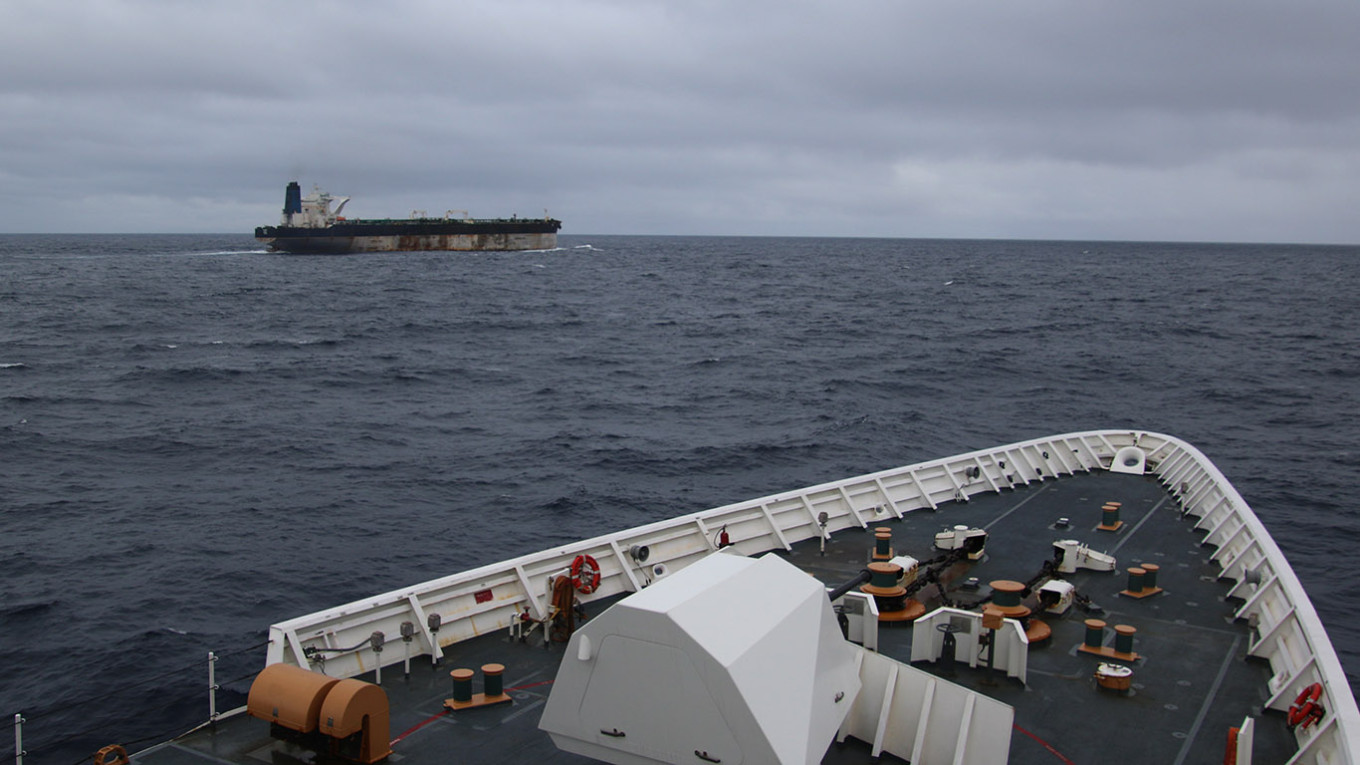
On Wednesday, Russia’s Foreign Ministry announced that two Russian crew members from an oil tanker, which was captured by the United States earlier this month, have been freed and are returning home.

Earlier this month, U.S. forces took control of the Russian-flagged vessel Marinera in the North Atlantic, claiming it was affiliated with a so-called “shadow fleet” involved in transporting oil from nations such as Venezuela, Russia, and Iran, which violates U.S. sanctions.

U.S. officials had previously indicated that the crew of the Marinera might face legal action in the United States, a situation that Russia described as “categorically unacceptable.”

According to Maria Zakharova, a spokeswoman for the Russian Foreign Ministry, “Two Russian sailors have been freed and are heading back to Russia,” she stated on Wednesday to the state-run RIA Novosti news agency.

The status of the remaining crew members of the Marinera remains uncertain.

Initially, Russia criticized the seizure of the vessel as “maritime piracy,” though it later acknowledged that U.S. officials had agreed to the release of the two detained Russian crew members.

The ship, originally named Bella 1, was sanctioned by Washington in 2024.

Reporting contributed by AFP.

Related posts

Zelensky Removes Sumy Governor Following Fatal Russian Missile Attack

Russian Lawmaker Slams Trump as Historically Weak for WWII Remarks

Ukraine Launches Record Number of Strikes on Russian Oil Refineries in November Текст: Ukraine carried out at least 14 drone attacks on Russian oil refineries in November in a new monthly record, BloombergreportedMonday, citing public statements from both countries. Kyiv has stepped up strikes on Russia’s energy infrastructure since August in a bid to undercut Moscow’s oil revenues, a key source of funding for its war effort. Among the refineries struck was theAfipsky plantnear Krasnodar, one of the largest in southern Russia with an annual capacity of 9.1 million tons. The facility had already been hit in September, when one of its units was damaged. Rosneft’s Ryazan refinery has been offline since mid-November after drones disabled the main refining unit, which accounts for nearly half of its total 17.1-million-ton annual capacity, Reutersreported. Another unit responsible for more than a quarter of output had been shut down following a drone strike on Oct. 24. Lukoil’s Volgograd refinery has also temporarily halted operations after damage to its primary oil processing unit, which is responsible for around 20% of its capacity of 13.7 million tons per year. Drones also hit the Orsknefteorgsintez refinery in Orsk, Orenburg region, located 1,400 kilometers from Ukraine. Russia’s average daily refining volume has fallen to around 5 million barrels per day as a result of the intensified campaign, down from the 5.3-5.5 million barrels per day typically processed in late autumn, Bloomberg cited analytics firm Kpler as saying. Ukraine also launched four strikes on oil-handling facilities at Black Sea ports,causingseveral days of delays in crude shipments after damage to the port of Novorossiysk. Ukrainian unmanned surface vessels targeted two sanctioned tankers carrying Russian oil in the Black Sea at the end of November, Bloomberg reported. Another tanker transporting Russian gasoil washitby explosions off the coast of Senegal late last month.

rimmaruslan98@gmail.com

This website uses cookies to improve your experience. We'll assume you're ok with this, but you can opt-out if you wish. Accept Read More