Gazprom Neft Reaches Preliminary Agreement to Divest Stake in Serbian Oil Company Amid U.S. Sanctions | World | london-news-net.preview-domain.com

Gazprom Neft Reaches Preliminary Agreement to Divest Stake in Serbian Oil Company Amid U.S. Sanctions

Gazprom Neft Reaches Preliminary Agreement to Divest Stake in Serbian Oil Company Amid U.S. Sanctions

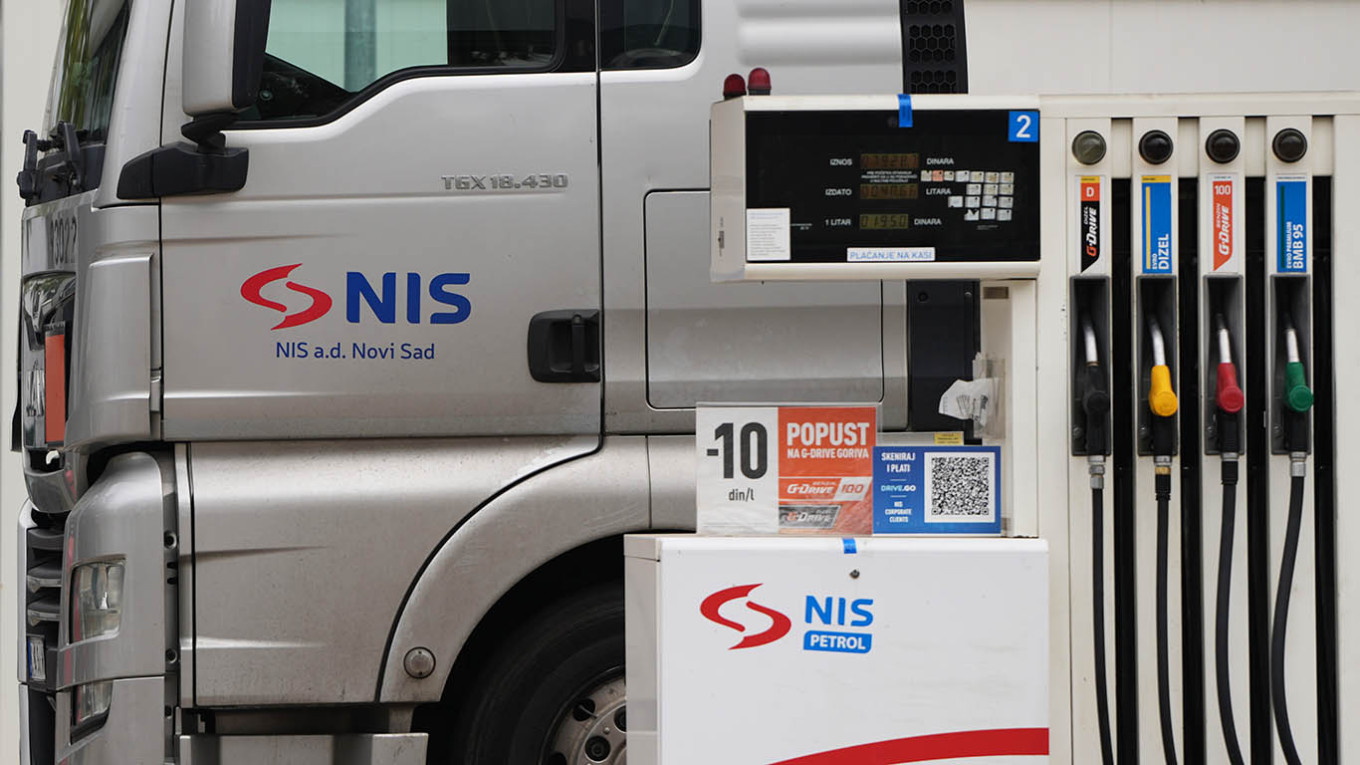
On Monday, Serbia’s energy minister announced that the Russian majority shareholders of the nation’s largest oil company, currently subject to U.S. sanctions, have reached an agreement to sell their share to the Hungarian energy firm MOL.

The proposed sale will be presented to the U.S. government for approval, as the company aims to prevent another sanctions-induced shutdown of Serbia’s only oil refinery.

“MOL and Gazprom Neft have established the primary terms for a future sale and purchase agreement,” stated Serbian Energy Minister Dubravka Đedović in a video message.

U.S. sanctions against the Petroleum Industry of Serbia (NIS), implemented as part of a broader effort by Washington to target Russia’s energy operations, led to the refinery’s closure in early December. This facility meets approximately 80% of Serbia’s fuel demands.

However, on December 31, the U.S. issued a temporary sanctions waiver for NIS, allowing the refinery to resume operations on Sunday.

NIS received a license from the U.S. Department of the Treasury’s Office of Foreign Assets Control, which permits it to continue functioning until January 23, and grants authorization to negotiate a sale until March 24.

“The terms of the agreement still require negotiation,” noted Đedović, adding that Abu Dhabi National Oil Company is also in discussions regarding participation in the acquisition.

She mentioned that Serbia had successfully increased its minority stake in NIS with the aim of achieving a level of ownership that would enhance its decision-making authority.

Đedović also indicated that MOL has committed to maintaining operations at the Pancevo refinery, alleviating previous worries that the facility might be closed as part of the agreement.

MOL confirmed that it had entered into a binding deal with Gazprom Neft for the purchase of its 56.15% share in NIS, and is in negotiations with Abu Dhabi National Oil Company to join the deal as a minority investor.

“MOL is dedicated to collaborating with the Serbian government to further bolster supply security in Serbia and the surrounding region,” stated Zsolt Hernádi, the company’s chairman.

Hungarian Foreign Minister Péter Szijjártó expressed support for the agreement, noting that the government would back MOL until the finalization of the deal.

In 2008, Serbia sold a majority stake in NIS to Gazprom for 400 million euros (approximately $470 million at current exchange rates), with the Russian company investing several billion euros into the enterprise since then. Currently, Gazprom Neft holds a 45% stake in NIS, which is under U.S. sanctions, and its parent company, Gazprom, transferred its 11.3% ownership in NIS to its affiliated entity, Intelligence, in September.

Related posts

Russian Forces Declare Control Over Dnipropetrovsk Village Amid Escalating Conflict

Zelensky Calls on Trump to Facilitate Peace Talks for Ukraine Amid Escalating Conflict

rimmaruslan98@gmail.com

Russian Ruble Dips After EU Unveils New Sanctions on Energy and Banks Текст: The Russian ruble tumbled sharply on Wednesday, erasing part of its recent gains as investors reacted to fresh concerns over Western sanctions and weakening oil export revenues. The dollar surged nearly 3% in a few hours on the Moscow Exchange, climbing from 78.2 rubles in early trading to 80.49 by 1:45 p.m. local time. The euro jumped above 91 rubles, while the Chinese yuan rose almost 2% to 11.04 rubles. By late afternoon, the ruble had regained some ground, with the dollar retreating to 79.65 and the euro to 91.39. The ruble has been one of the world’s best-performing currencies in 2025, gaining roughly 40% since January. But analysts say the sharp pullback may signal a turning point. Its decline on Wednesday “may be tied to discussions in the EU about a new package of sanctions targeting Russian financial institutions and energy exports,” said Natalia Milchakova, a senior analyst at Freedom Finance Global. A proposed 18th round of EU sanctionsintroducedby the European Commission on Tuesday includes plans to disconnect 22 more Russian banks from the SWIFT global payment system, blacklist dozens of tankers involved in circumventing oil trade restrictions and ban transactions with the Nord Stream gas pipelines. The measures would also lower the price cap on Russian crude exports from $60 to $45 per barrel. Under the cap mechanism, oil sold above the limit would be ineligible for Western insurance and transport services — a move aimed at squeezing revenue from Russian energy exports. Experts warn that these measures, if adopted by the United States and G7 allies, could deliver the most serious blow to Russian oil exports since the European embargo imposed in late 2022. Sanctions have already sidelined much of the Kremlin’s “shadow fleet,” and if the price cap is lowered, Greek shipping firms — which have been instrumental in transporting Russian oil — may exit the market altogether, the Moscow-based Institute for Energy and Finance said. As a result, a noticeable reduction in seaborne oil exports from Russia is likely … and the Russian budget may face an even greater reduction in oil revenues in the second half of this year, the IEF wrote. The ruble is also under seasonal pressure, as exporters appear to have slowed their conversion of foreign currency earnings ahead of the Russia Day holiday weekend, Reuters reported. At the same time, Yevgeny Kogan, a Russian investment banker, said demand for foreign currency may have risen ahead of the long weekend. Adding to the pressure is a decline in oil revenues, which remain the backbone of Russia’s export economy. The average price of Urals crude fell to $52 per barrel in May compared to $66 in January, according to the Economic Development Ministry. That figure represents the lowest level in more than two years. Some analysts believe the ruble’s current weakness may be a harbinger of a more prolonged decline. Kogan predicted the currency could continue to weaken in June and July. Sofya Donets, chief economist at T-Investments,saidpressures could intensify into August, potentially pushing the exchange rate beyond 90 rubles to the dollar. The government-linked Center for Macroeconomic Analysis and Short-Term Forecastingwarnedthat the ruble could experience an “overshoot” in the opposite direction, reversing its earlier gains with a potentially steep depreciation. “The more overvalued the ruble is now,” the group said, “the more vulnerable it is to a sharp correction.”


This website uses cookies to improve your experience. We'll assume you're ok with this, but you can opt-out if you wish. Accept Read More