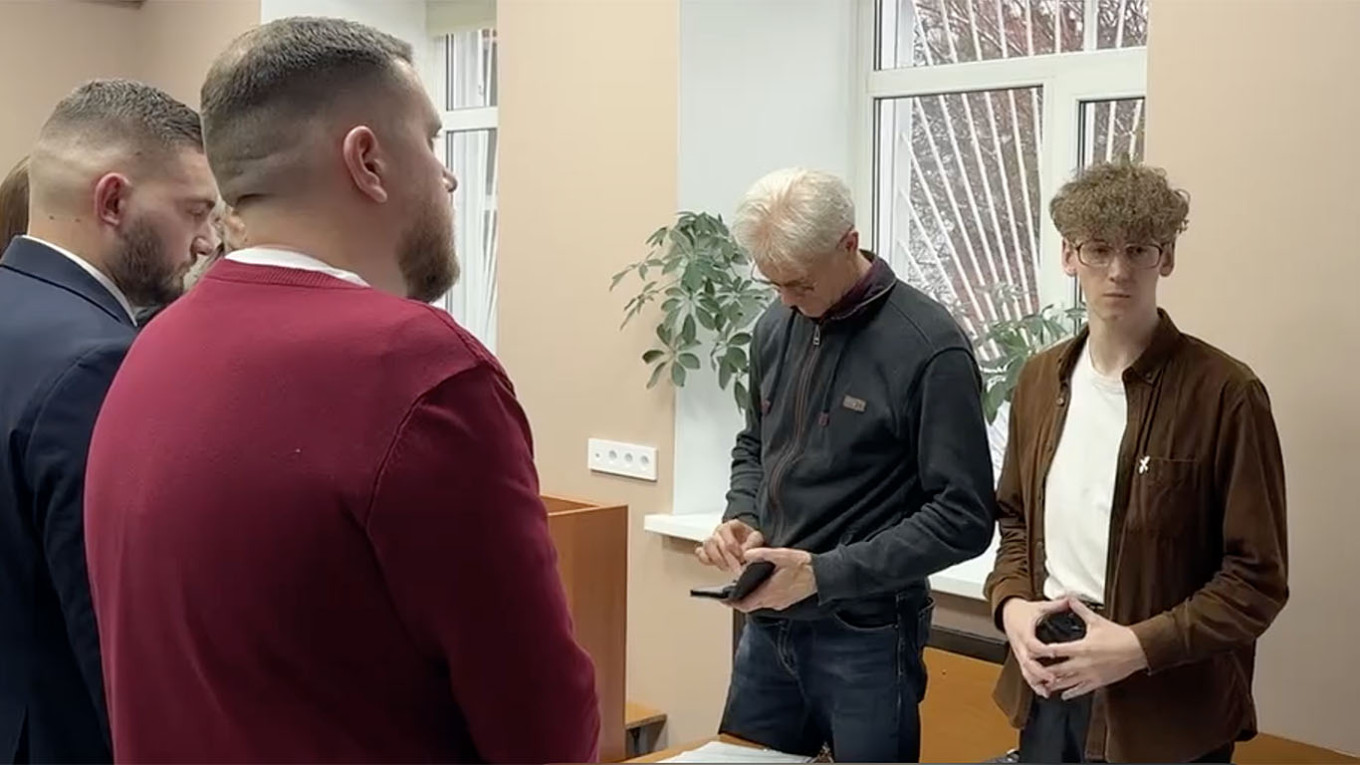
A municipal judge in Moscow has dismissed a class action lawsuit brought against the state media regulator, Roskomnadzor, and the Ministry of Digital Development by a group of WhatsApp and Telegram users in Russia.
The judge from the Tagansky District Court determined that activist Konstantin Larionov from Kaluga did not provide sufficient proof that he was “authorized to initiate legal action to defend the rights of Telegram and WhatsApp proprietors,” according to a statement from the court’s press service released on Friday.
On December 23, Larionov and several dozen other plaintiffs filed a lawsuit against Roskomnadzor and the Digital Development Ministry, contending that the government’s limitations on calls through Telegram and WhatsApp breach their constitutional rights, which include the right to information and communication privacy.
In August, Roskomnadzor initiated a ban on voice and video calls using these messaging platforms as part of an anti-fraud measure, a decision that drew criticism from both companies.
Larionov announced that he and his fellow plaintiffs intend to continue pursuing the lawsuit and appeal the judge’s decision.
The plaintiffs reference data from the Russian Central Bank indicating that traditional mobile calls and SMS messages, rather than messaging apps, are the primary means used for fraudulent activities.
Larionov, who participated in the 2023 presidential campaign of pro-peace candidate Boris Nadezhdin, has labeled Roskomnadzor’s decision to limit calls on WhatsApp and Telegram as “politically motivated” and described his fellow plaintiffs as “everyday Russian citizens growing tired of being unable to use messaging apps for voice calls.”
“I certainly recognize the challenges activists and politicians encounter in Russia. I’m merely trying to contribute to improving my country and the world using the resources available to me,” Larionov remarked to the online news outlet Bereg earlier this month.
“Should I simply give up and cease my efforts to contribute to society? Absolutely not,” he stated.