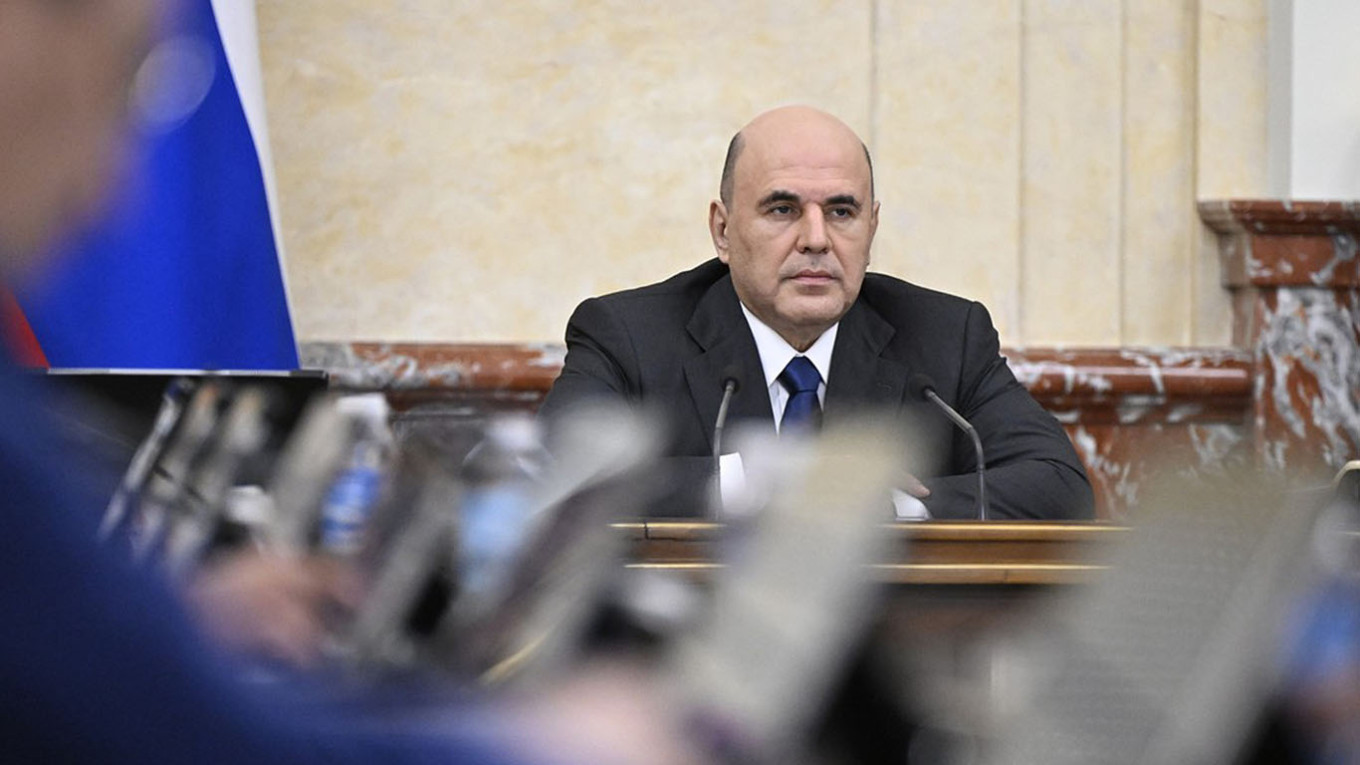
Russia is set to gradually implement its plan for an increase in the value-added tax (VAT) targeting small businesses following warnings from entrepreneurs that sudden changes could severely impact the sector, Prime Minister Mikhail Mishustin announced on Thursday.
At present, small and medium enterprises operating under the simplified tax system are exempt from VAT if their annual revenues do not exceed 60 million rubles ($739,000). The Finance Ministry has suggested reducing this threshold to 10 million rubles ($123,000) as part of a broader strategy to raise the VAT rate from 20% to 22% by 2026.
Mishustin indicated that the adjusted plan would slowly introduce the reduced threshold, beginning with 20 million rubles in 2026, followed by 15 million rubles in 2027, and eventually reaching the proposed 10 million rubles in 2028.
Furthermore, he mentioned that the government is contemplating a temporary suspension of penalties for initial infractions of the new regulations.
“Throughout the extensive discussions, suggestions from legislators, business executives, experts, and non-governmental organizations concerning tax reforms were taken into account and presented to the president,” said Mishustin during a government meeting.
This shift comes in response to increasing concerns from entrepreneurs and business associations who warn that many small enterprises may have to close or shift to the informal economy.
According to data from the Economic Development Ministry cited by Reuters, small and medium-sized businesses represent over 20% of Russia’s GDP and employ 31 million individuals, making up 40% of the total workforce.
Approximately 1.4 million businesses and 3.1 million sole proprietors currently operate under Russia’s simplified tax system, which permits smaller companies to pay lower flat taxes and exempts them from VAT up to the existing income limit.
The business news outlet The Bell estimates that the original proposal to cut the VAT threshold could impact around 450,000 small enterprises, mostly in the retail, service, and manufacturing sectors.
The lower house of Russia’s State Duma is anticipated to integrate Mishustin’s revisions into the tax reform bill before its second reading, as reported by The Bell.