Prosthetic Revolution: How Wounded Soldiers are Driving Russias Surge in Limb Innovation | World | london-news-net.preview-domain.com

Prosthetic Revolution: How Wounded Soldiers are Driving Russias Surge in Limb Innovation

Prosthetic Revolution: How Wounded Soldiers are Driving Russias Surge in Limb Innovation

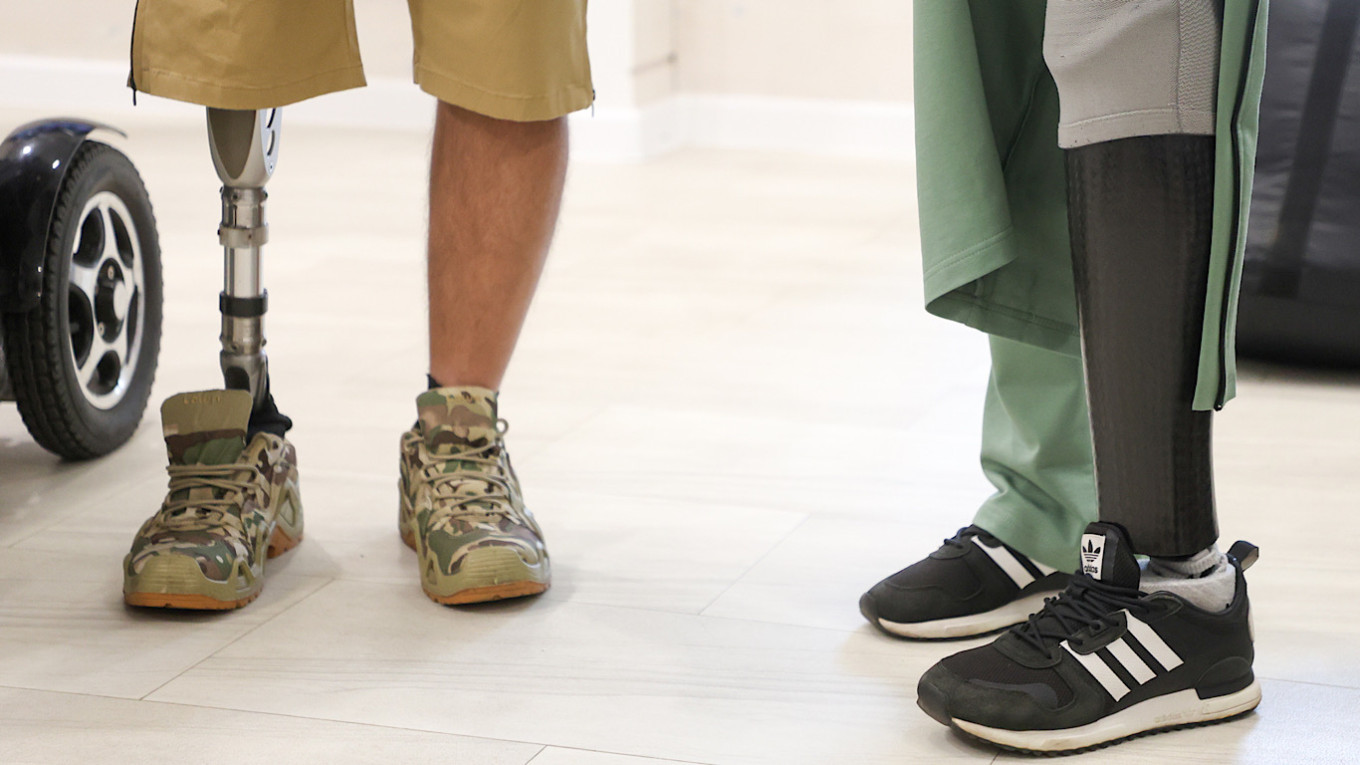
A high-ranking official from the Defense Ministry stated on Thursday that the number of Russian troops injured in the conflict with Ukraine has positioned the country at the forefront of prosthetic limb technology.

Deputy Defense Minister Anna Tsivilyova, who is believed to be related to President Vladimir Putin, noted that the influx of veterans returning from combat has become a significant catalyst for advancements in prosthetics.

“We have likely become a leader in this domain,” Tsivilyova mentioned during the Eastern Economic Forum held in Vladivostok. “The individuals involved in the special military operation have helped us achieve a premier status, putting us ahead of numerous other nations,” she remarked, referring to the Kremlin’s terminology for the conflict.

Data from the Russian government reveals that in 2024, the country provided 60,000 more prosthetic limbs than in 2021, reflecting a 65% rise.

Moscow maintains strict secrecy regarding the reported casualties among soldiers and rarely releases details about the number of deaths and injuries. According to the BBC and the exiled news outlet Mediazona, they have documented over 125,000 fatalities among Russian soldiers in the conflict.

Last year, Putin stated that about 700,000 Russian troops were engaged in combat in Ukraine.

Related posts

Paris Summit Aims to Address Escalating Violence in Ukraine After Deadly Russian Strikes

Russia Blacklists Human Rights Watch as ‘Undesirable’ Текст: Russia’s Justice Ministry on FridaydesignatedHuman Rights Watch as an “undesirable” organization. The designation bans the U.S.-headquartered nonprofit from operating in Russia. Under Russian law, individuals found to be affiliated with “undesirable” organizations face up to four years in prison, while organization leaders risk up to six years. In an interview, the influential body said it was not surprised by the designation and vowed to continue its work remotely. We are actually going to work even harder to expose the staggering crackdown by the Kremlin on Russian civil society and to report on Russian crimes in Ukraine, Tanya Lokshina, senior associate director of the groups Europe and Central Asia division, told AFP. HRW was among a number of international organizations and foreign NGOs whose local offices Russian authoritiesshut downin the first months of the full-scale invasion of Ukraine over alleged legal violations. Russia’s Prosecutor General’s Office, which usually announces “undesirable” designations, has not issued any statement on HRW’s blacklisting. Founded in 1978 and with a presence in more than 90 countries, HRW has documented human rights violations in Russia for around 30 years. It hasaccusedthe Russian military of committing war crimes in Ukraine. Russia introduced its “undesirable” law in 2015, using it to crack down on independent media, opposition groups and foreign organizations. Hundreds of organizations are currently blacklisted, including The Moscow Times. AFP contributed reporting.

rimmaruslan98@gmail.com

Russians Brace for Frugal New Year Celebrations Amid Economic Strain

rimmaruslan98@gmail.com

This website uses cookies to improve your experience. We'll assume you're ok with this, but you can opt-out if you wish. Accept Read More