EU Accelerates Timeline for Banning Russian LNG Imports Amid Ongoing Sanctions | World | london-news-net.preview-domain.com

EU Accelerates Timeline for Banning Russian LNG Imports Amid Ongoing Sanctions

EU Accelerates Timeline for Banning Russian LNG Imports Amid Ongoing Sanctions

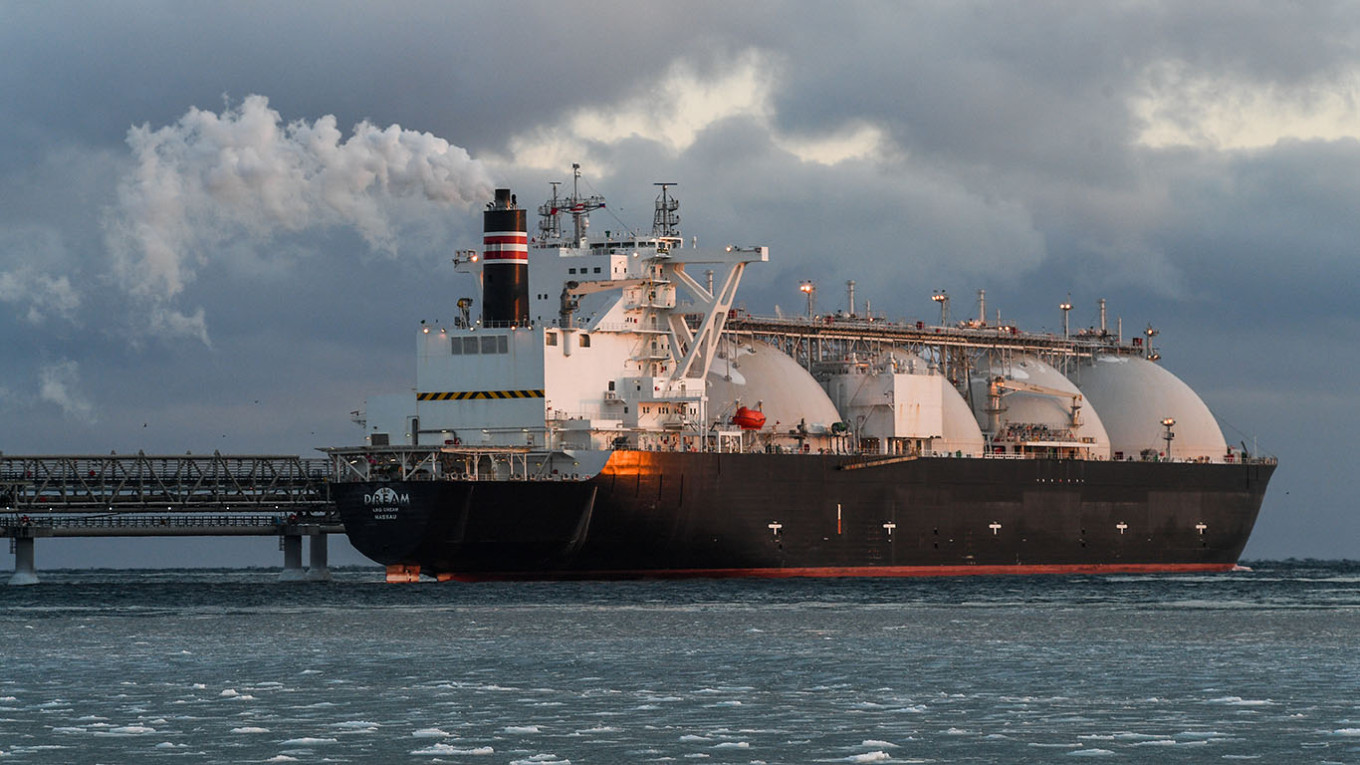
On Friday, the European Union proposed to accelerate its ban on Russian natural gas imports as part of a new sanctions initiative aimed at undermining the Kremlin’s capacity to sustain its military actions in Ukraine.

According to the plan, the bloc intends to eliminate purchases of Russian liquefied natural gas (LNG) by January 2027, which is a year earlier than previously scheduled.

“Revenues from fossil fuels are vital to Russia’s war economy, and we seek to reduce these funds,” stated Ursula von der Leyen, the head of the European Commission. “Thus, we are imposing a ban on Russian LNG imports into European markets. It is essential to close the faucet.”

This proposal marks the 19th sanctions package introduced by the EU since Russia commenced its full-scale invasion in 2022.

The European Commission did not reveal any new restrictions on Russian oil, which has already seen significant reductions in imports. Nevertheless, EU foreign policy chief Kaja Kallas indicated that the revised end date for LNG would demonstrate to Moscow that there are consequences for its continued aggression.

Despite ongoing efforts to diminish dependence on Russian gas, approximately 19% of the bloc’s gas supply was still sourced from Russia as of 2024, a decline from 45% prior to the full-scale invasion of Ukraine. The U.S. has since emerged as the leading LNG supplier to Europe, accounting for nearly half of imports.

Hungary and Slovakia are the only EU member states that continue to import Russian oil.

The 19th sanctions package will now be submitted to the 27 member states for their approval.

Related posts

Kamchatka Faces Powerful Winter Storm: Schools Closed and Work Hours Reduced

rimmaruslan98@gmail.com

State Duma Passes 2026-28 Budget and Tax Increase Bills Текст: State Duma lawmakers on ThursdaypassedRussia’s three-year federal budget and a package of tax increases, bills aimed at shoring up government revenues as spending on the war against Ukraine remains a top priority for the Kremlin. Under the budget plan, the government expects revenue of 40.3 trillion rubles ($491.7 billion) next year and spending of 44 trillion rubles ($548.3 billion), leaving a projected deficit of 3.8 trillion rubles ($47.3 billion). Defense and national security will account for roughly 38% of all spending in 2026, or 16.8 trillion rubles ($209.5 billion), which is slightly lower than in the previous two years but still far above pre-war levels. Lawmakers sought to highlight funding for domestic programs, including more than 10 trillion rubles ($124.6 billion) for family support measures and 50 billion rubles ($623 million) for a state-backed charity foundation that assists soldiers fighting in Ukraine and their families. Although overall spending will remain broadly stable, budget allocations reveal that the Kremlin’s priorities continue to lie in foreign policy and defense. Alongside the budget plan, the State Duma approved a series of tax changes aimed at closing the fiscal gap created by soaring military expenditures and falling oil and gas revenues under Western sanctions. Russia’s value-added tax (VAT) will increase to 22% from 20%, a move expected to raise consumer prices higher. Economists, including those at the Financial Ministry, havesaidthey anticipate a modest rise in inflation as the VAT hike takes effect starting next year. More small businesses will also be swept into the tax system. The annual revenue threshold for companies required to pay VAT will drop from 60 million rubles ($732,000) to 10 million rubles ($122,000). Some lawmakers havewarnedthat the change could strain small businesses and individual entrepreneurs, many of whom earn less than 200,000 rubles ($2,500) a month after taxes and salaries. Economists estimate the full package, which also includes a new levy on betting company profits, could bring in nearly 3 trillion rubles ($35 billion) in additional revenue. State Duma Speaker Vyacheslav Volodin said Thursday that lawmakers had approved the federal budget and tax hikes “under difficult circumstances,” citing more than 30,000 sanctions imposed on Russia and what he called “unfriendly actions” by the EU targeting Russian assets. The 2026-28 budget passed with 349 votes, while 56 lawmakers — mostly from the Communist Party — abstained. Only one deputy, Anton Krasnoshantov of the ruling United Russia party, was recorded as voting against the bill, though his “no” vote was allegedly the result of a technical error. The federal budget and tax bills now head to the Federation Council, where they are expected to receive swift approval before being sent to President Vladimir Putin’s desk for his signature.

rimmaruslan98@gmail.com

Military Families in Crisis: How the War in Ukraine is Straining Russias Child Welfare System

rimmaruslan98@gmail.com

This website uses cookies to improve your experience. We'll assume you're ok with this, but you can opt-out if you wish. Accept Read More