Ukraines Commander Reveals Russias Evolving Frontline Strategies | World | london-news-net.preview-domain.com

Ukraines Commander Reveals Russias Evolving Frontline Strategies

Ukraines Commander Reveals Russias Evolving Frontline Strategies

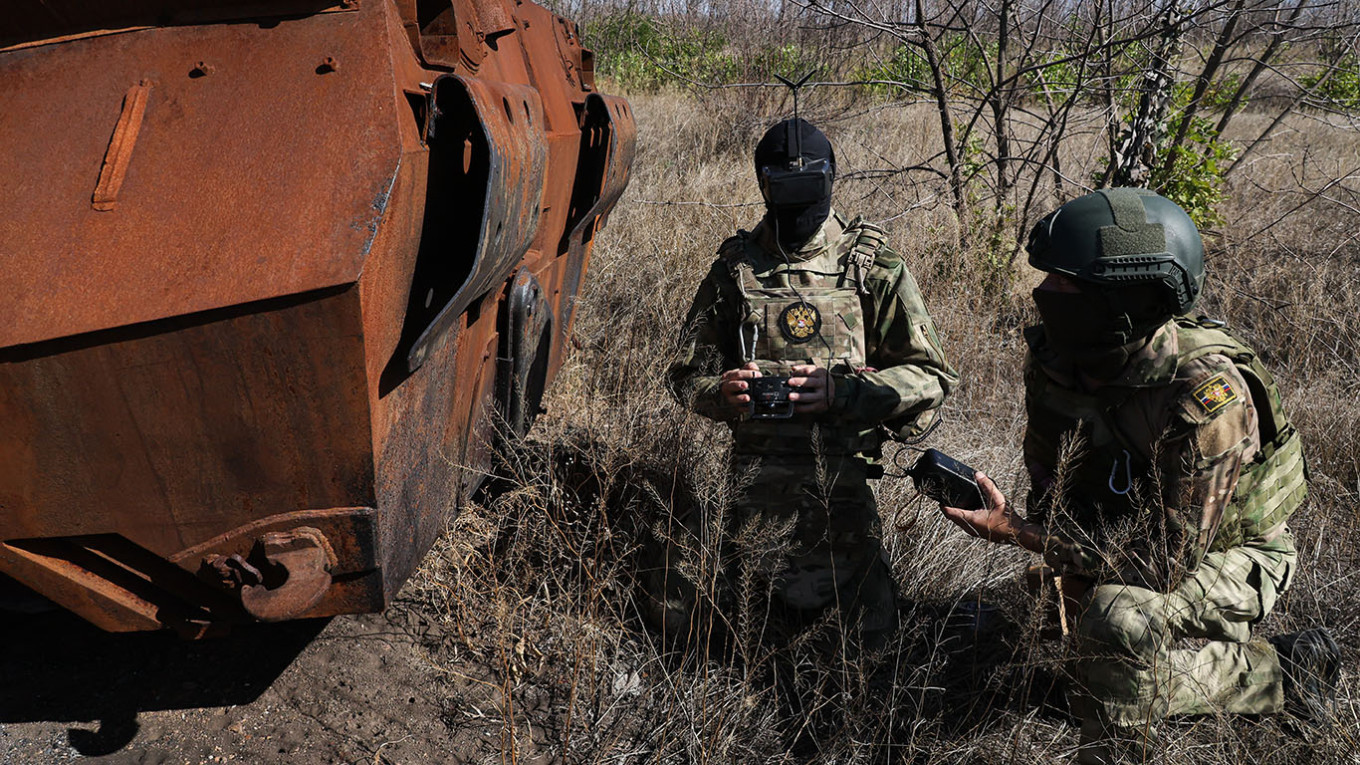
Over the summer, Russian forces have altered their tactics on the front lines, utilizing smaller sabotage units to penetrate further into Ukrainian territory, according to Ukraine’s top military commander.

Moscow currently controls about 20% of Ukraine, yet has only been able to seize an additional 1% of land in the past year, based on an analysis by AFP drawing on data from the Institute for the Study of War, which collaborates with the Critical Threats Project.

Despite the sluggish advancement, combat along the front has remained fierce, resulting in significant casualties on both sides.

Ukrainian Commander-in-Chief Oleksandr Syrskyi indicated that Russia has modified its approach to frontline engagements, now sending small squads of four to six soldiers whose objective is to breach Ukraine’s defenses.

“Since the start of summer, we’ve observed a shift in the enemy’s strategies,” Syrskyi shared with a group of journalists, including those from AFP, in comments released on Friday.

“Their primary goal is to infiltrate our territory as deeply as they can, then to retreat, regroup, and launch further advances — ultimately targeting deeper positions to disrupt our logistical efforts and troop movements,” he clarified.

He noted that this tactic enables Russian forces to advance with relatively few troops, although it prevents them from establishing complete territorial control over any region.

In August, Russian troops successfully breached Ukraine’s defenses near the eastern coal mining town of Dobropillia, but were subsequently repelled by Kyiv.

Syrskyi remarked that the overall conditions along the 1,250-kilometer (775-mile) front are challenging, with Russia making headway in critical areas.

On Friday, Russia’s Defense Ministry announced the capture of Yunakivka, a village located in the northeastern Sumy region.

Syrskyi also mentioned that Ukraine is adjusting some of its air defense strategies in response to the rising number of Russian aerial assaults on its cities, which includes deploying more helicopters and light aircraft, as well as developing new drone interception technologies.

Related posts

Exiled Author Dmitry Bykov Added to Russia’s Terrorist List Amidst Growing Repressions

rimmaruslan98@gmail.com

Devastating Drone Assaults in Kharkiv: Three Lives Lost, Sixty Injured Amid Escalating Violence

Uzbekistan Urges Russia to Respect Its Citizens Amid Migrant Crackdown Текст: Uzbekistans Foreign Ministry on Wednesday urged Russia to treat its citizens with respect as authorities in Moscow tighten migration laws and carry out mass inspections targeting foreign workers Over the past year, Russia has introduced tighter migration rules, including new laws to locate and expel migrants more easily. The changes have sparked protests from several Central Asian countries, including Uzbekistan. Roughly 4 million migrants from the five former Soviet republics of Central Asia — Uzbekistan, Kyrgyzstan, Tajikistan, Kazakhstan and Turkmenistan — currently live in Russia, according to government data. Many work in low-wage sectors and send home remittances critical to their domestic economies. Uzbekistans Foreign Ministry said it had received reports of unauthorized inspections and cases of disrespectful and rude treatment of its citizens in Russia. It called on Moscow to treat Uzbek citizens with respect and to prevent actions that humiliate their honor and dignity, according to a statement published by state media. Tashkent also submitted a formal protest note to Russia requesting clarification about the reports. Russias Foreign Ministry said it was studying the note and described Uzbekistan as a strategic partner, the state-run news agency TASS reported. In recent months, Kyrgyzstan and Tajikistan have issued similar protests, denouncing mass detentions of their citizens in Russia. The crackdown follows the deadly 2024 terrorist attack at Crocus City Hall, which Russian officials blame on gunmen from Central Asia. Since then, Moscow has stepped up its efforts to police and repatriate foreign nationals. The war in Ukraine has further complicated matters for Central Asian migrants, with Russian authorities accused of pressuring some to enlist in the military. Russias Investigative Committee said last year that 10,000 foreign nationals with Russian citizenship had been sent to the front lines. Ukraines military estimates that around 3,000 Central Asians are fighting for Russia. Local media report that several dozen have been killed or imprisoned upon returning home. Despite a decline in migration, remittances remain vital to Central Asian economies. According to the World Bank, they account for 45% of GDP in Tajikistan, 24% in Kyrgyzstan and 14% in Uzbekistan.


This website uses cookies to improve your experience. We'll assume you're ok with this, but you can opt-out if you wish. Accept Read More