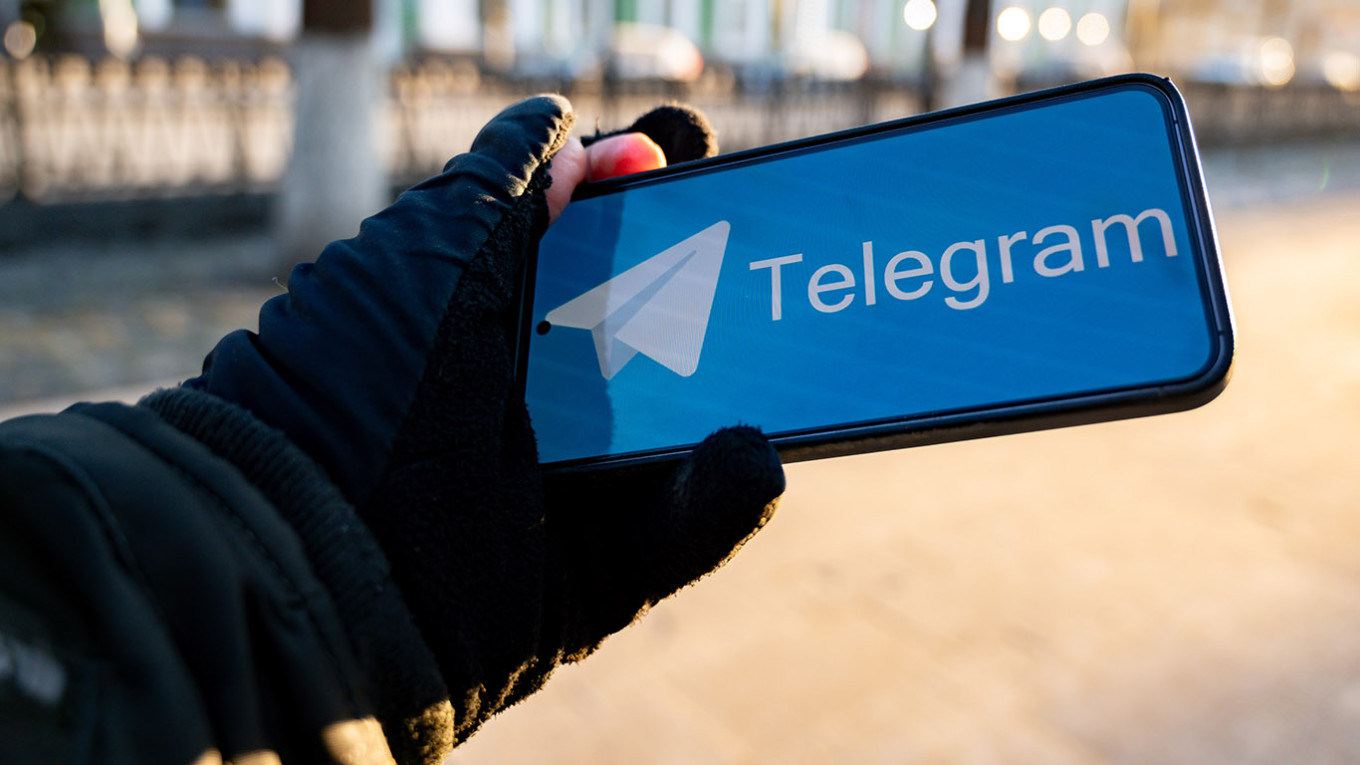
A senior member of Russia’s State Duma has expressed disapproval of his peers for sensationalizing fears regarding potential restrictions on Telegram and WhatsApp, asserting on Tuesday that only the state media watchdog has the right to make announcements about internet limitations.
“Speculating about potential bans is futile, and using such a sensitive issue merely for media attention is questionable,” stated Sergei Boyarsky, who oversees the Information Policy, Technology and Communications Committee in the State Duma.
“Only Roskomnadzor, the body with the appropriate authority, can outline definitive plans,” Boyarsky, affiliated with the ruling United Russia party, told the TASS news agency.
His remarks followed comments from Mikhail Delyagin, a representative of the social conservative party A Just Russia, who predicted that Russian authorities would fully block Telegram by September 2026, amid allegations of reduced download speeds for the application.
Two weeks prior, Roskomnadzor denied claims made by State Duma member Andrei Svintsov, from the nationalist Liberal Democratic Party (LDPR), who stated that the authority was intentionally slowing down Telegram’s download speeds. Svintsov also suggested that the government would ban WhatsApp outright this year.
In August, Roskomnadzor initiated restrictions on voice and video calls via WhatsApp and Telegram as part of what it termed an anti-fraud effort, a decision criticized by both platforms.
The Kremlin has indicated that blocking foreign messaging applications to tackle fraud isn’t a practical approach, as scammers utilize a range of tools at their disposal.
Meanwhile, Russian security agencies claim that Ukraine utilizes both messaging services to recruit individuals for sabotage and assassination operations within Russia.
The restrictions imposed by Roskomnadzor on calls through WhatsApp and Telegram coincide with government pressure on Russians to download and utilize the state-sponsored messaging app Max, which has seen several pro-Kremlin channels gradually shifting to the platform since summer.
By December, Max had garnered 70 million monthly users, making it the third most popular app in Russia. However, it still lagged behind WhatsApp and Telegram, which had 94.5 million and 93.6 million monthly users, respectively, at that time.