Russia Advises Citizens to Switch to Biometric Passports as EU’s Digital Entry Deadline Approaches | World | london-news-net.preview-domain.com

Russia Advises Citizens to Switch to Biometric Passports as EU’s Digital Entry Deadline Approaches

Russia Advises Citizens to Switch to Biometric Passports as EU’s Digital Entry Deadline Approaches

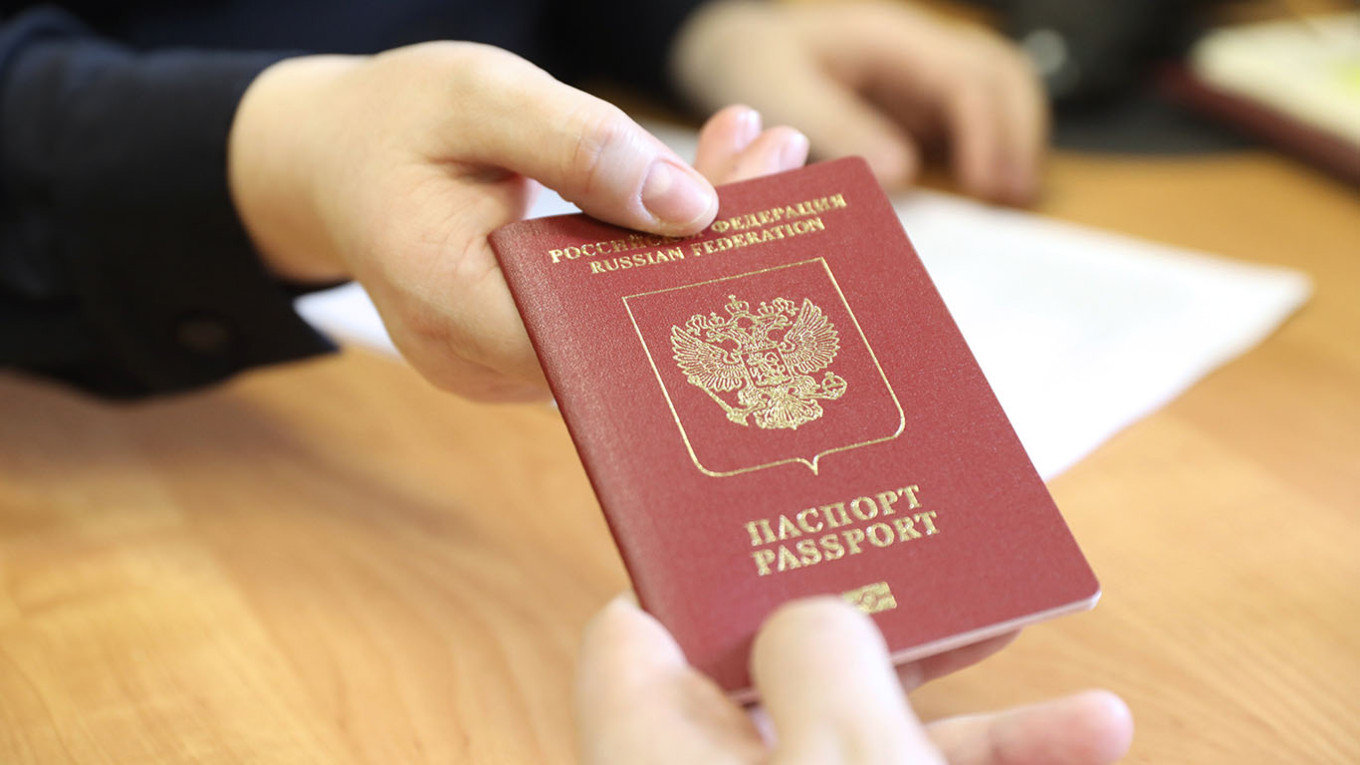
The Russian government is encouraging its citizens to acquire new biometric passports as an increasing number of European Union countries implement the bloc’s digital entry system for non-EU nationals, with a deadline approaching this spring.

The visa-free Schengen zone initiated the rollout of its Entry/Exit System (EES) in October, which replaces manual passport stamping with biometric data to enhance security and monitor overstays.

A total of 29 countries within the Schengen area have either ceased or will no longer accept five-year non-biometric passports by the deadline of April 10.

“The holders of these passports are required to obtain new biometric (10-year) general foreign passports ahead of time,” stated the Russian Embassy in Warsaw in a message released on Wednesday.

The embassy noted that Poland will implement the EES on April 1, after which entry into the European Union using outdated Russian passports will not be permitted.

Other nations, such as Germany, France, Denmark, and the Czech Republic, have already adopted the EES.

Prior to 2022, the year that President Vladimir Putin ordered a full-scale invasion of Ukraine, Russian nationals made up a significant portion of Schengen visa applicants.

Travel experts indicate that interest in Schengen visas remains strong among Russians, even with the growing number of restrictions placed by the EU in response to the aggression against Ukraine.

Related posts

Ukraine Launches Record Number of Strikes on Russian Oil Refineries in November Текст: Ukraine carried out at least 14 drone attacks on Russian oil refineries in November in a new monthly record, BloombergreportedMonday, citing public statements from both countries. Kyiv has stepped up strikes on Russia’s energy infrastructure since August in a bid to undercut Moscow’s oil revenues, a key source of funding for its war effort. Among the refineries struck was theAfipsky plantnear Krasnodar, one of the largest in southern Russia with an annual capacity of 9.1 million tons. The facility had already been hit in September, when one of its units was damaged. Rosneft’s Ryazan refinery has been offline since mid-November after drones disabled the main refining unit, which accounts for nearly half of its total 17.1-million-ton annual capacity, Reutersreported. Another unit responsible for more than a quarter of output had been shut down following a drone strike on Oct. 24. Lukoil’s Volgograd refinery has also temporarily halted operations after damage to its primary oil processing unit, which is responsible for around 20% of its capacity of 13.7 million tons per year. Drones also hit the Orsknefteorgsintez refinery in Orsk, Orenburg region, located 1,400 kilometers from Ukraine. Russia’s average daily refining volume has fallen to around 5 million barrels per day as a result of the intensified campaign, down from the 5.3-5.5 million barrels per day typically processed in late autumn, Bloomberg cited analytics firm Kpler as saying. Ukraine also launched four strikes on oil-handling facilities at Black Sea ports,causingseveral days of delays in crude shipments after damage to the port of Novorossiysk. Ukrainian unmanned surface vessels targeted two sanctioned tankers carrying Russian oil in the Black Sea at the end of November, Bloomberg reported. Another tanker transporting Russian gasoil washitby explosions off the coast of Senegal late last month.

rimmaruslan98@gmail.com

Young Moscow Graduate Faces Treason Charges After Months of Controversial Detentions

rimmaruslan98@gmail.com

Reintegrating Nearly 140,000 Returning Russian Soldiers: The Push for Effective Support Solutions


This website uses cookies to improve your experience. We'll assume you're ok with this, but you can opt-out if you wish. Accept Read More