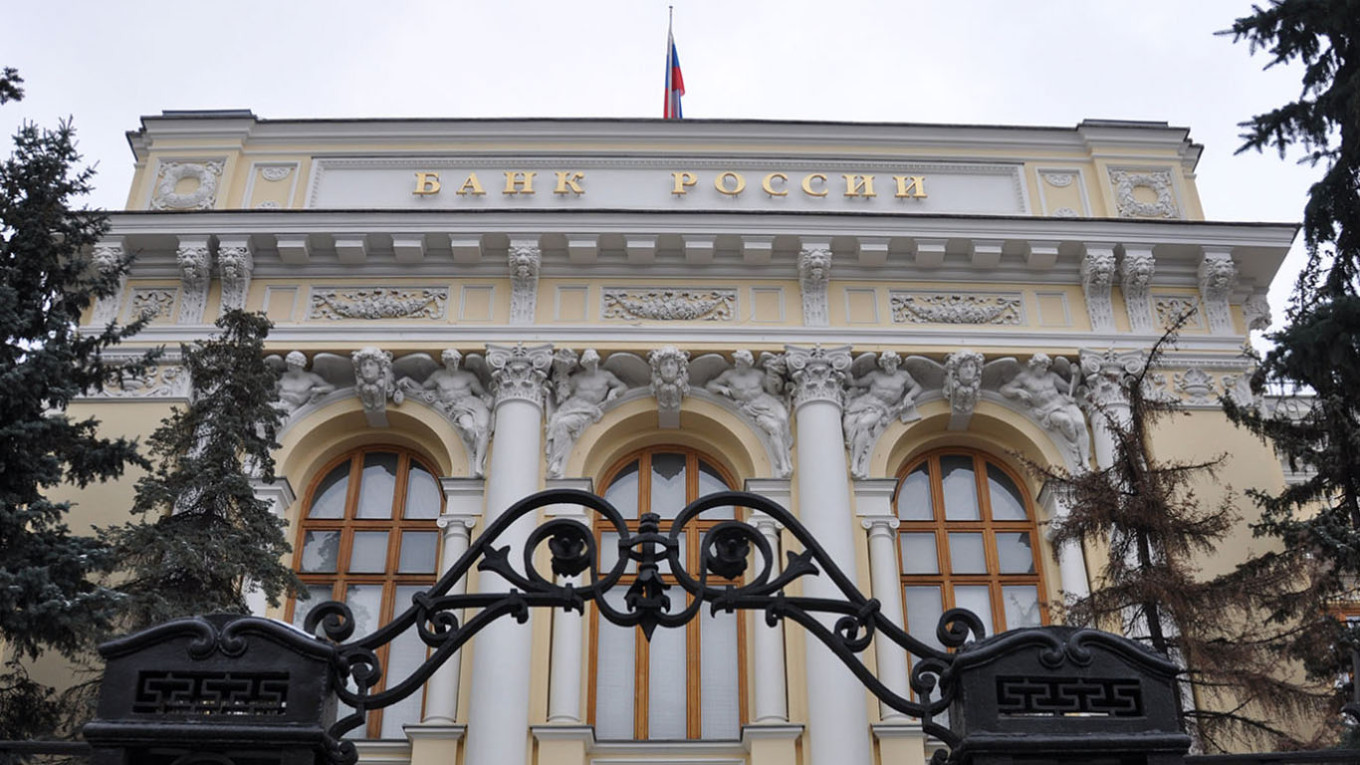
On Friday, Russia’s Central Bank (CBR) announced that it has initiated legal proceedings in a commercial court in Moscow against Euroclear, a leading European securities depository, alleging that it has unlawfully hindered the bank’s access to its own frozen assets and securities.
This lawsuit arises as the European Union progresses towards approving a plan to raise funds for Ukraine covering the period of 2026-2027, utilizing the income generated from approximately 210 billion euros ($232 billion) in CBR assets that have been frozen throughout the EU.
On Thursday, EU ambassadors reached an agreement to maintain these funds in a frozen state without requiring unanimous consent every six months, a move intended to prevent Russia-aligned Hungary and Slovakia from vetoing future decisions. EU finance ministers are expected to formally endorse this measure, which effectively ties any unfreezing of assets to the conclusion of Russia’s military actions in Ukraine, during their meeting on Friday.
European leaders are anticipated to discuss both the Russian asset freeze and the lending structure for Ukraine at their summit on December 18.
Euroclear, headquartered in Belgium, currently possesses the most substantial portion of Russia’s frozen state assets in Europe, amounting to 185 billion euros ($217 billion), which have been immobilized due to EU sanctions.
According to a statement from the CBR, “Euroclear’s actions have adversely affected the Bank of Russia by obstructing its ability to manage its funds and securities.” The lawsuit seeks financial compensation for these damages.
In a separate release on Friday, the CBR indicated that it would “firmly” contest any effort by the European Union to allocate Russian frozen assets for Ukrainian loan financing through Russian courts, foreign jurisdictions, and international tribunals.
“The Bank of Russia preserves the right to immediately employ all available legal options and mechanisms to safeguard its interests if the European Union continues to advance or implement these proposed measures,” it stated.
The European Commission has suggested a “reparations loan” of around 90 billion euros, which Ukraine would only be obligated to repay should Russia pay reparations for the war—this legal strategy is designed to prevent outright confiscation.
In recent weeks, EU governments have accelerated their discussions on the loan proposal following a U.S.-backed peace initiative that outlined an alternative utilization of the same Russian assets, which some European officials argued presented favorable conditions for Moscow.
However, the EU’s proposal faces legal and political challenges, with Belgium insisting on assurances that it will not bear the sole risk of potential future lawsuits from Russia.